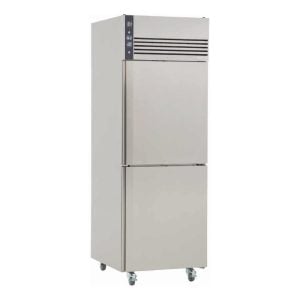
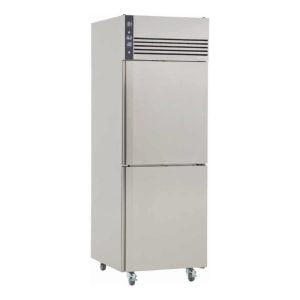
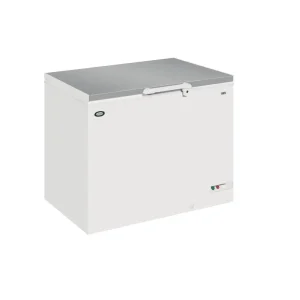
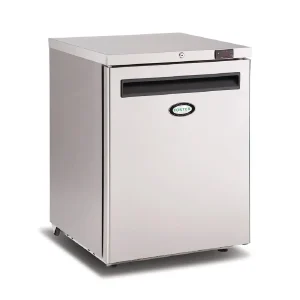
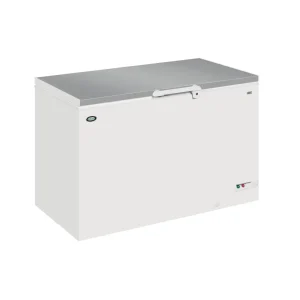
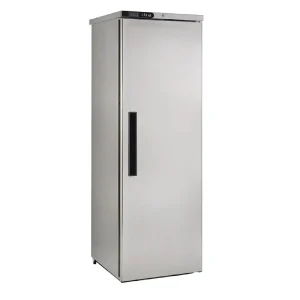
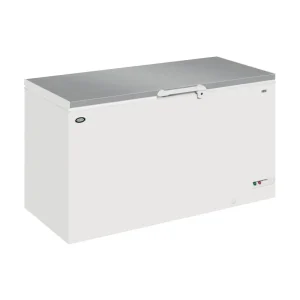
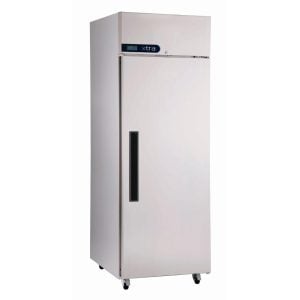
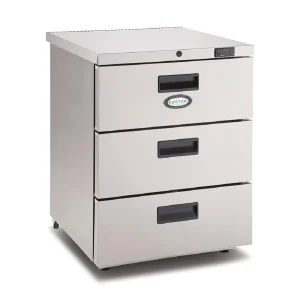
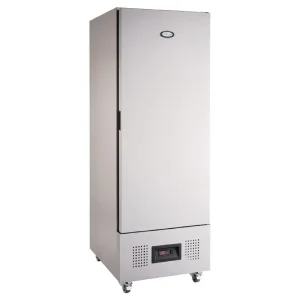
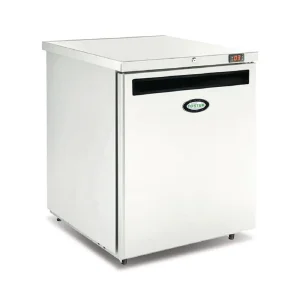
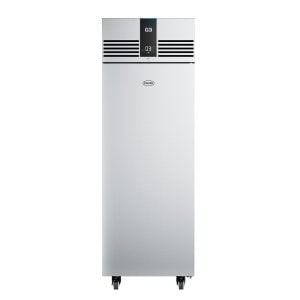
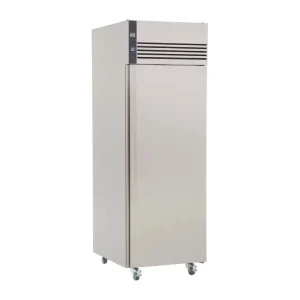
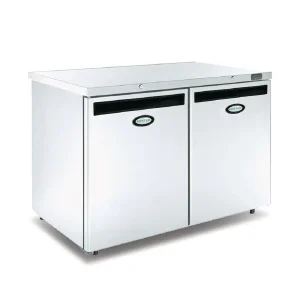
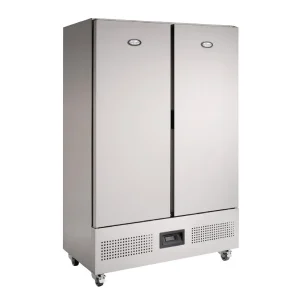
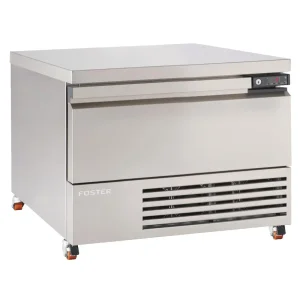
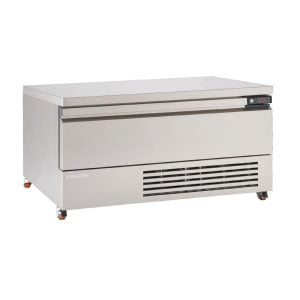
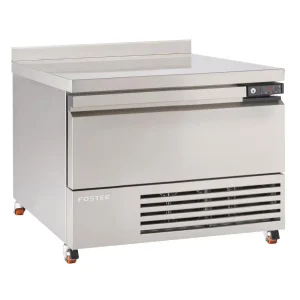
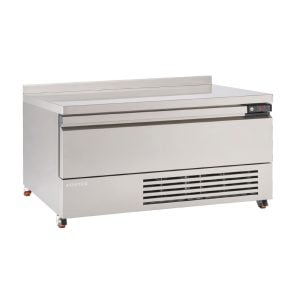
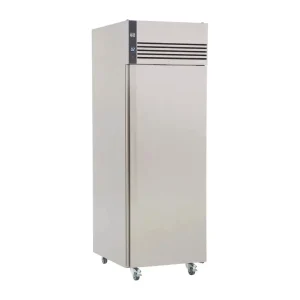
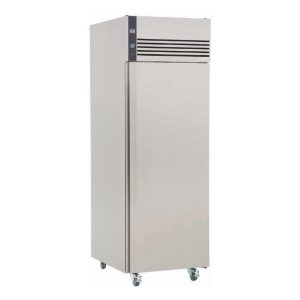
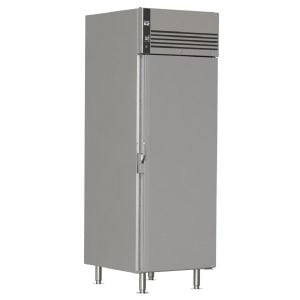
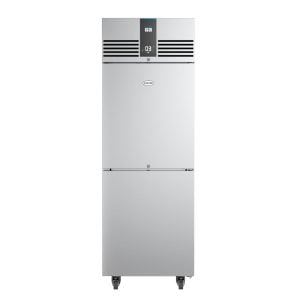
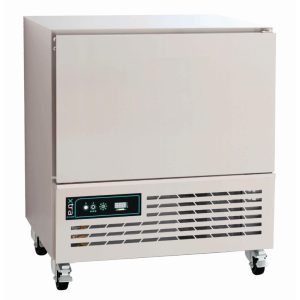
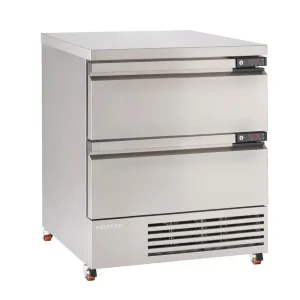
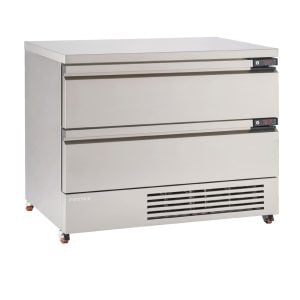
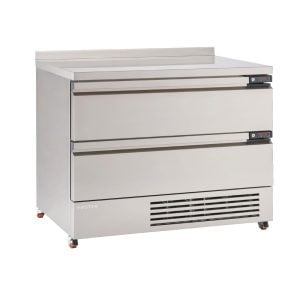
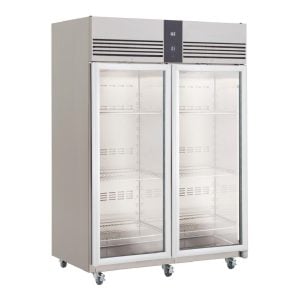
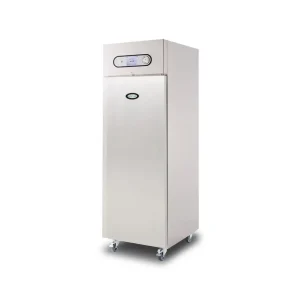
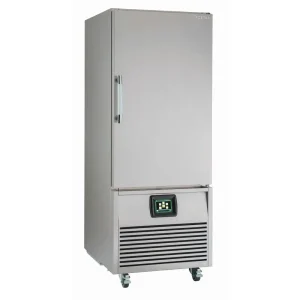
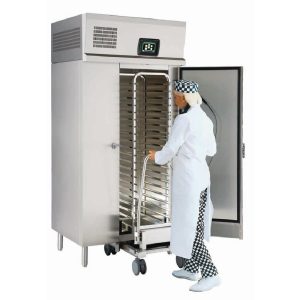
Commercial storage fridges and freezers are the core cold-holding units used by pubs, cafes, restaurants, hotels, takeaways, commercial kitchens and care homes to keep bulk stock at safe temperatures between deliveries and service. The main buying decision is choosing between fridge (typically −2 to +4°C) and freezer (−18 to −22°C) formats, and matching capacity and footprint to kitchen size, delivery frequency and menu. This category spans everything from single-door under-counter units to multi-door walk-in cold rooms, so throughput, door count and available power supply (13A single-phase vs three-phase) all narrow the choice quickly.
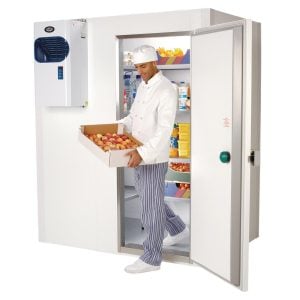
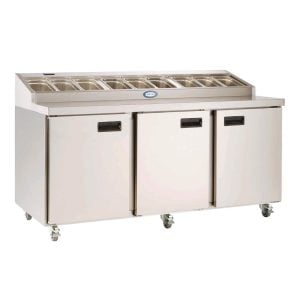
The department splits into five areas. Storage fridges hold chilled stock at −2 to +4°C, and commercial storage freezers run at −18 to −22°C, in single- to multi-door upright and under-counter formats. Refrigerated prep counters combine cold storage with a work surface and Gastronorm pan wells for pizza, saladette and topping prep. Cold rooms and walk-in fridges are built from insulated panels (commonly 60–150mm thick) for bulk storage beyond what upright units hold. Bakery fridges are a separate format, shelved for standard bakery trays rather than GN pans. Fan-assisted forced-air cooling keeps temperatures even throughout; most units run on a 13A single-phase supply, with larger walk-ins and remote refrigeration packs needing three-phase.
What’s the difference between a commercial fridge and a commercial freezer?
A commercial fridge holds food at −2 to +4°C for short-term chilled storage, while a commercial freezer holds it at −18 to −22°C for longer-term frozen storage; both use forced-air (fan) circulation for even temperatures, unlike domestic static-cooling units.
How much cold storage capacity does a commercial kitchen need?
As a rule of thumb, small cafes and pubs typically need 400–600 litres combined fridge/freezer capacity, mid-size restaurants 800–1500 litres, and high-volume kitchens or hotels 1500 litres plus, often split across multiple upright units or a walk-in cold room.
Single-phase or three-phase power for storage refrigeration?
Most under-counter, counter and upright units run on a standard 13A single-phase UK socket; only large walk-in cold rooms and bigger remote refrigeration packs typically require a three-phase supply.
If you have any questions about our products, then please get in touch.