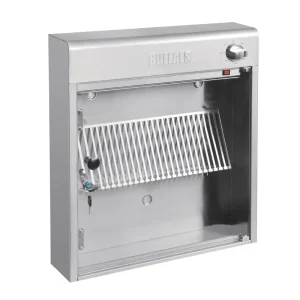
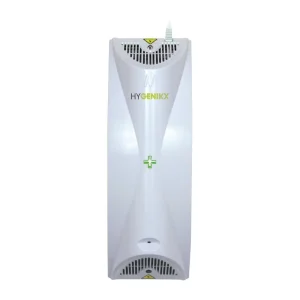
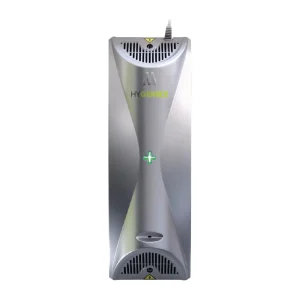
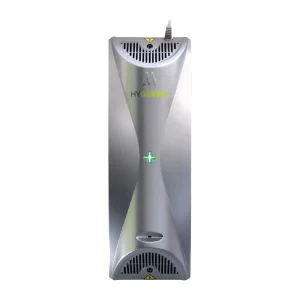
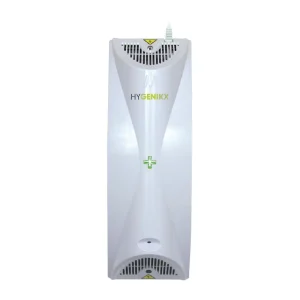
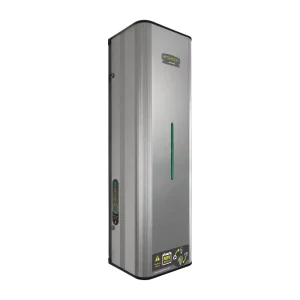
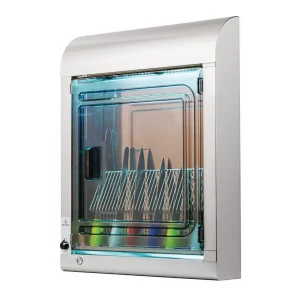
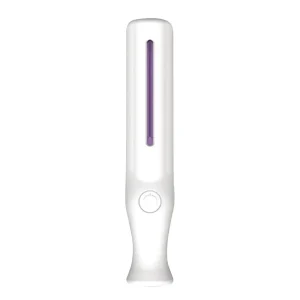
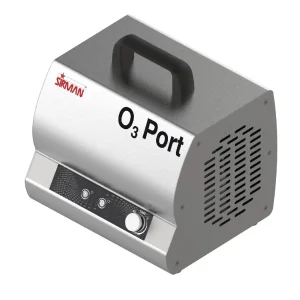
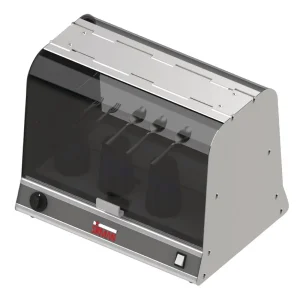
Sterilisers use UV light, ozone or antimicrobial treatment to kill bacteria in the air, on surfaces and on small equipment like knives and utensils, used in commercial kitchens and care homes where an extra layer of sanitising beyond standard washing is required. The range centres on wall-mounted air and surface sterilisers and ozone generators for rooms and food areas, alongside UV sterilising cabinets for knives and utensils and antimicrobial water-line kits.
Knife and utensil sterilisers commonly run on a standard 13A single-phase supply, with UV sterilising cabinets typically cycling in 20-30 minutes. Air and surface sterilisers are sized by coverage area — compact units for small washrooms up to models covering rooms of around 100 square metres — while traditional steam knife sterilisers run at 82°C+ to meet food safety sterilisation standards.
Do commercial kitchens legally need a steriliser as well as a dishwasher?
It’s not a legal requirement for most kitchens, but a dedicated steriliser is recommended good practice for high-risk items like knives and boards, especially where raw meat, poultry or allergen cross-contamination risk is elevated.
What temperature does a steam steriliser need to reach to be effective?
Most commercial steam sterilisers operate at 82°C or above to achieve effective bacterial kill, in line with UK food hygiene sterilisation guidance.
Brands typical of this category include HyGenikx and Sirman ranges from established catering equipment manufacturers, suited to care home and commercial kitchen high-risk food prep areas.
If you have any questions about our products, then please get in touch.