
Commercial Pots & Pans

Commercial pots and pans are the core cooking vessels used in professional kitchens across pubs, restaurants, hotels and cafés, made predominantly from aluminium, 18/10 stainless steel or carbon steel for heat conduction and durability under constant service use. The key buying consideration is base construction (induction-compatible versus gas-only) and gauge/thickness, since thin-gauge pans warp faster under high commercial heat than heavy-duty triple-layer or clad bases. “Commercial pots and pans” and “catering cookware” are the plain buyer terms.

Key specifications

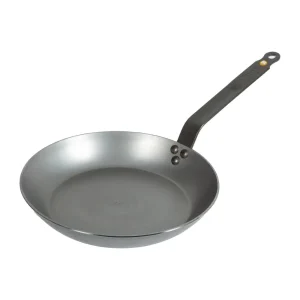
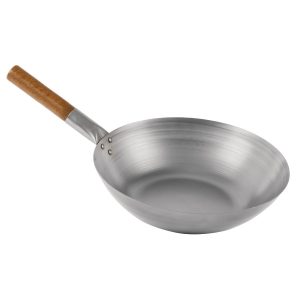
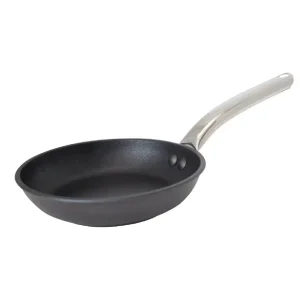
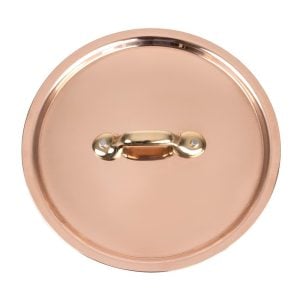
Commercial pots and pans span the full range a professional kitchen needs: saucepans and stock pots for boiling and stocks, frying, saute and speciality pans for the stove, casserole and stew pans for slow braising, plus griddle, grill, crepe and paella pans for specific dishes, with matching lids and complete cookware sets. Three materials dominate — aluminium for fast, light heat, 18/10 stainless steel for durability and non-reactivity, and carbon steel for high-heat searing — with heavy or clad bases resisting warping and hot-spots under constant service. The key checks are gauge thickness and induction compatibility (a magnetic base), since thin pans warp under repeated commercial heat. Used across pubs, restaurants, hotels, cafés and care homes.

81 products

Commercial Pots & Pans — FAQs
Stainless steel or aluminium pans for a commercial kitchen?

Aluminium pans heat up fast and are lightweight for high-volume à la carte service, while 18/10 stainless steel pans are more durable, non-reactive with acidic foods, and better suited to induction hobs.

Do commercial pans need to be induction compatible?

Increasingly yes — with more restaurant and refurbished pub kitchens moving to induction for speed and safety, a magnetic stainless steel or clad base is now a standard buying requirement rather than a nice-to-have.

How heavy-gauge should a commercial saucepan be?

Heavier-gauge pans (thicker base metal) resist warping and hot-spots far better under daily commercial heat than lightweight domestic-grade pans, so gauge thickness is one of the most important specs to check before buying.

If you have any questions about our products, then please get in touch.