
Why this one earns its place
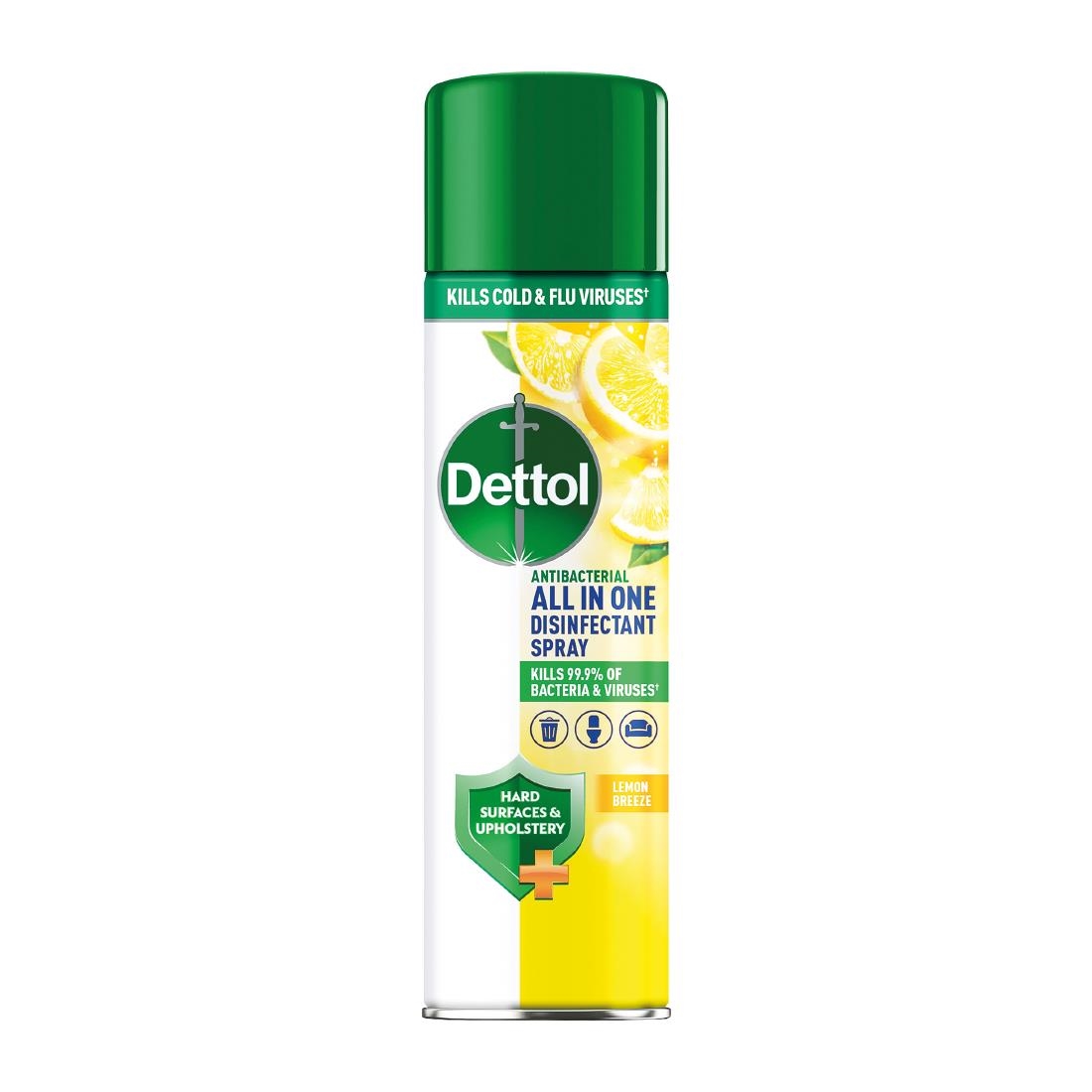
This spray is built for the everyday touchpoints that carry the most germs through a shift: toilets, empty kitchen bins, sick rooms, door handles, shower bases and under sinks. One can covers the areas most likely to need disinfecting between the deeper cleans, rather than reaching for a different product for every surface in a washroom or back office.
It kills 99.9% of bacteria and viruses on the surfaces people encounter every day, using a proven formula designed for reliable, repeatable results rather than a fragrance-led spray with disinfection as an afterthought. It’s designed to work without wiping off afterwards, so a quick spray does the job rather than needing a cloth and a follow-up pass, which matters when staff are moving between tasks and don’t have time for a two-step clean.
It’s also versatile beyond hard surfaces, safe to use on upholstery, mattresses and pet beds as well as counters and fittings, which covers more of a site than a surface-only disinfectant would, useful anywhere staff areas double up as rest rooms or where pets are part of the premises. It complies with EN 14476, EN 1276, EN 1650 and EN 13697, the standards covering virucidal and bactericidal performance and general surface and fabric disinfection, so the paperwork is covered alongside the everyday use.
It comes as a 300ml aerosol in Lemon Breeze, a yellow, perfumed formula with a fragrance built to last rather than fading straight after use, which helps a space read as freshly cleaned as well as being disinfected. The compact aerosol size makes it easy to keep at hand in a cupboard, under a sink or on a cleaning trolley for quick top-up use through the day.
What each use really costs
Worked out from today’s price and the pack as sold.
Stated figures and current price only — not an invented saving.
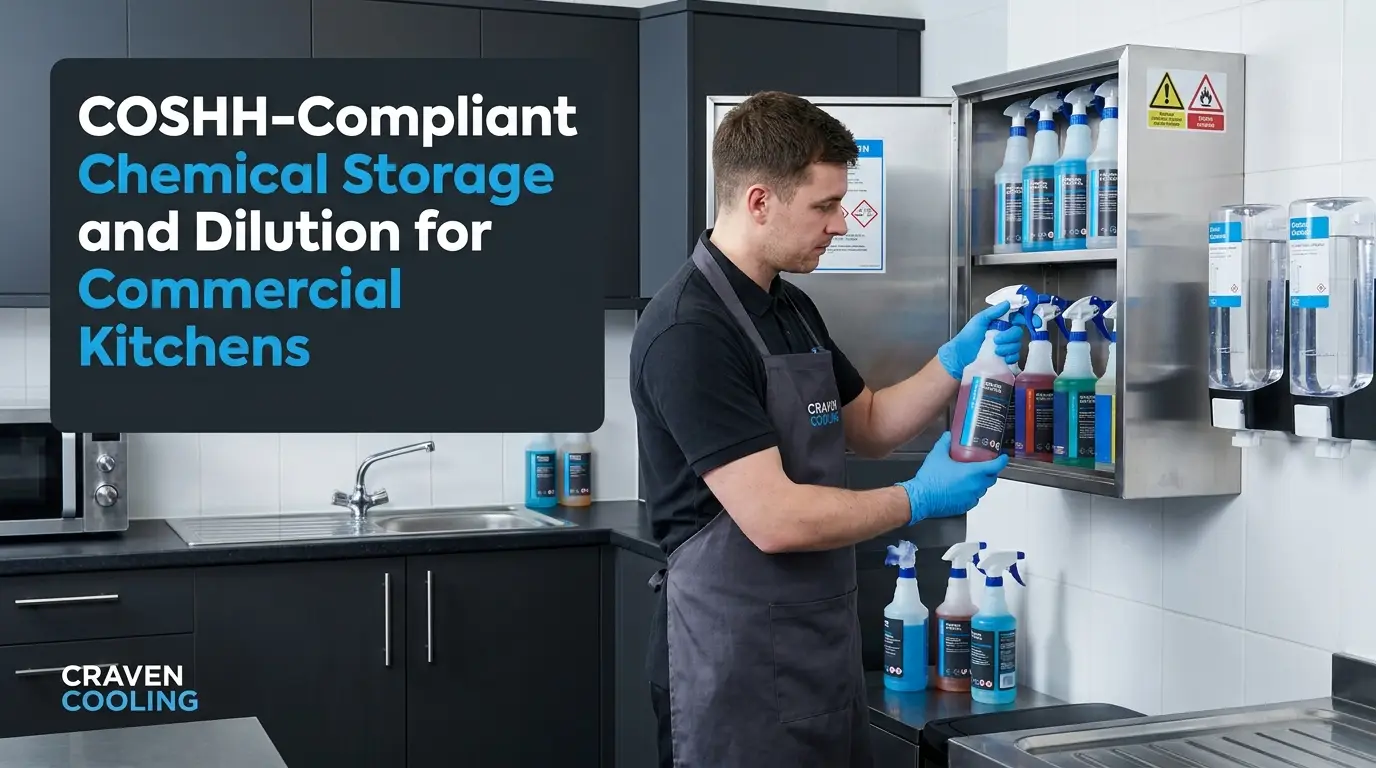
COSHH: six habits of safe chemical use
Control of Substances Hazardous to Health — the routine every commercial kitchen and cleaning cupboard is expected to run.


SDS
Read the label and the manufacturer’s safety data sheet — the pictograms tell you what you are holding.

Who could be harmed, and how badly? Judge likelihood against severity before anyone opens the cap.

Eliminate or substitute first, engineer and organise next — PPE is the last line, never the first.

Keep the controls working: check ventilation, dosing equipment and storage stay as they should be.


Everyone who uses it knows the hazards, the correct dilution and the PPE — before the first shift, not after.

Products and processes change. Reassess when they do, and keep the record that proves it.
Guidance summary only — the product label, the current safety data sheet and your own COSHH assessment remain the authority.
 FOOD SAFETY
 STAY LEGAL
 YOUR SCHEDULE