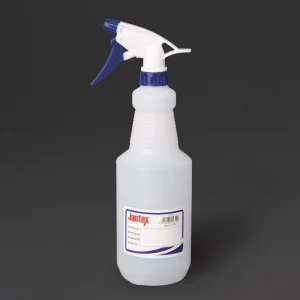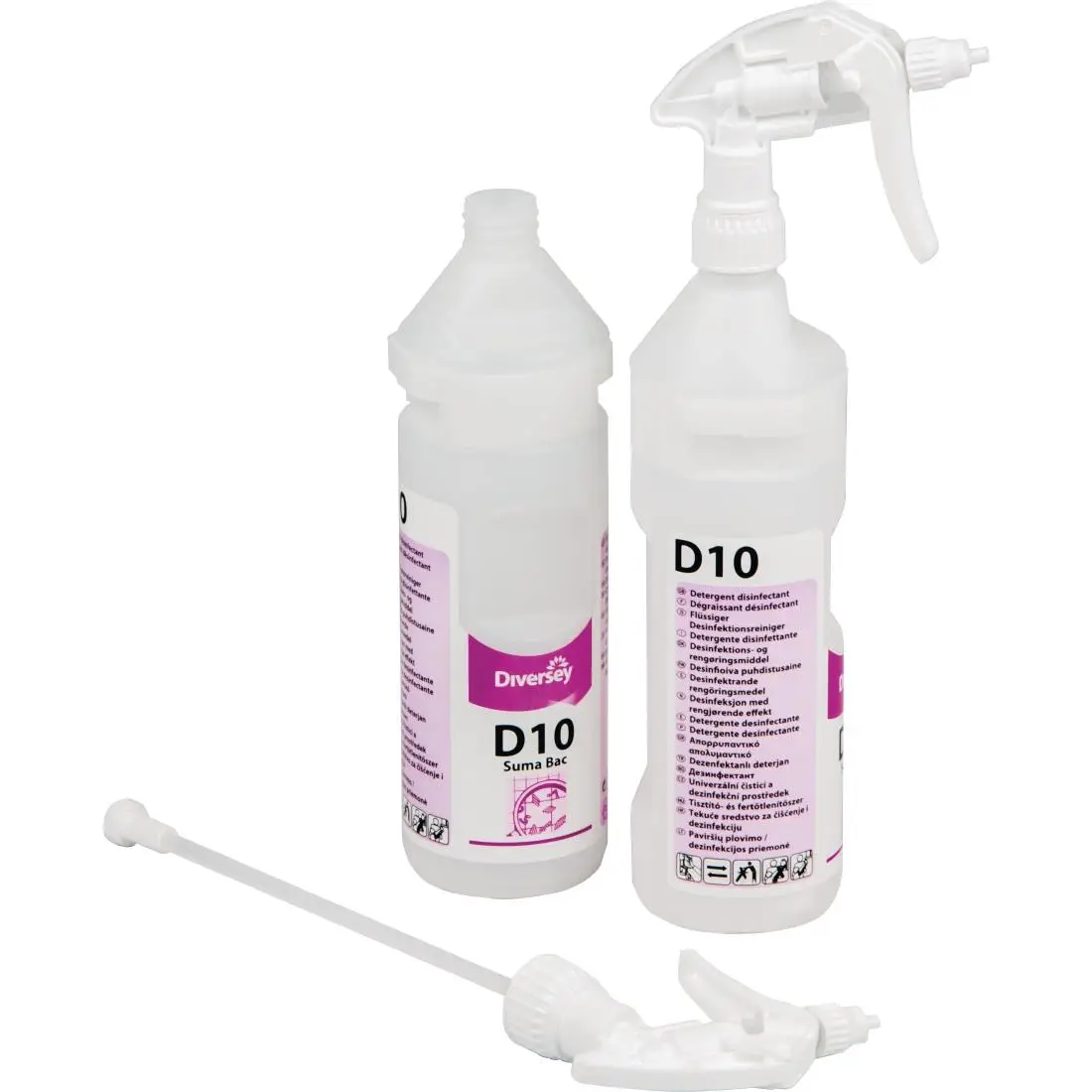

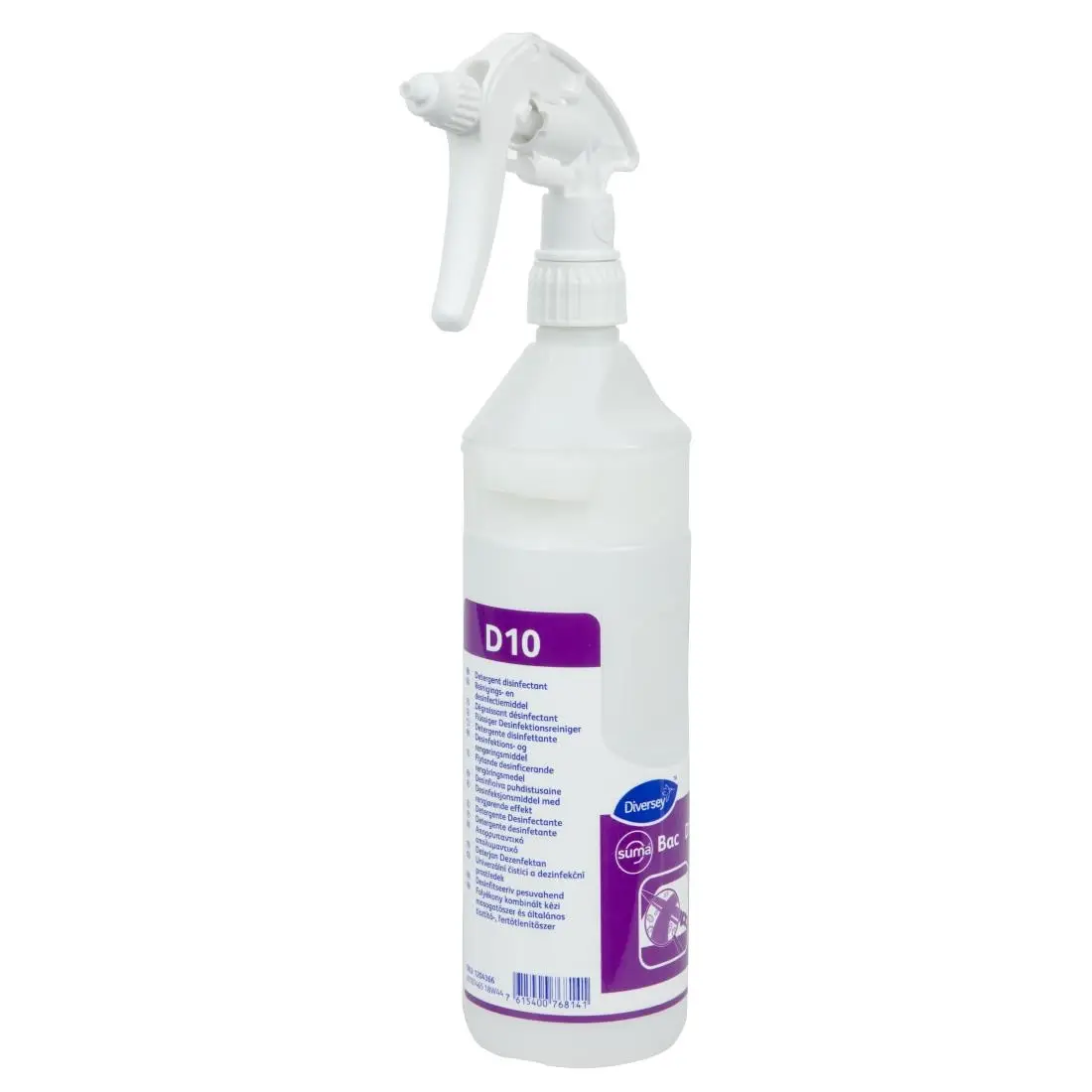
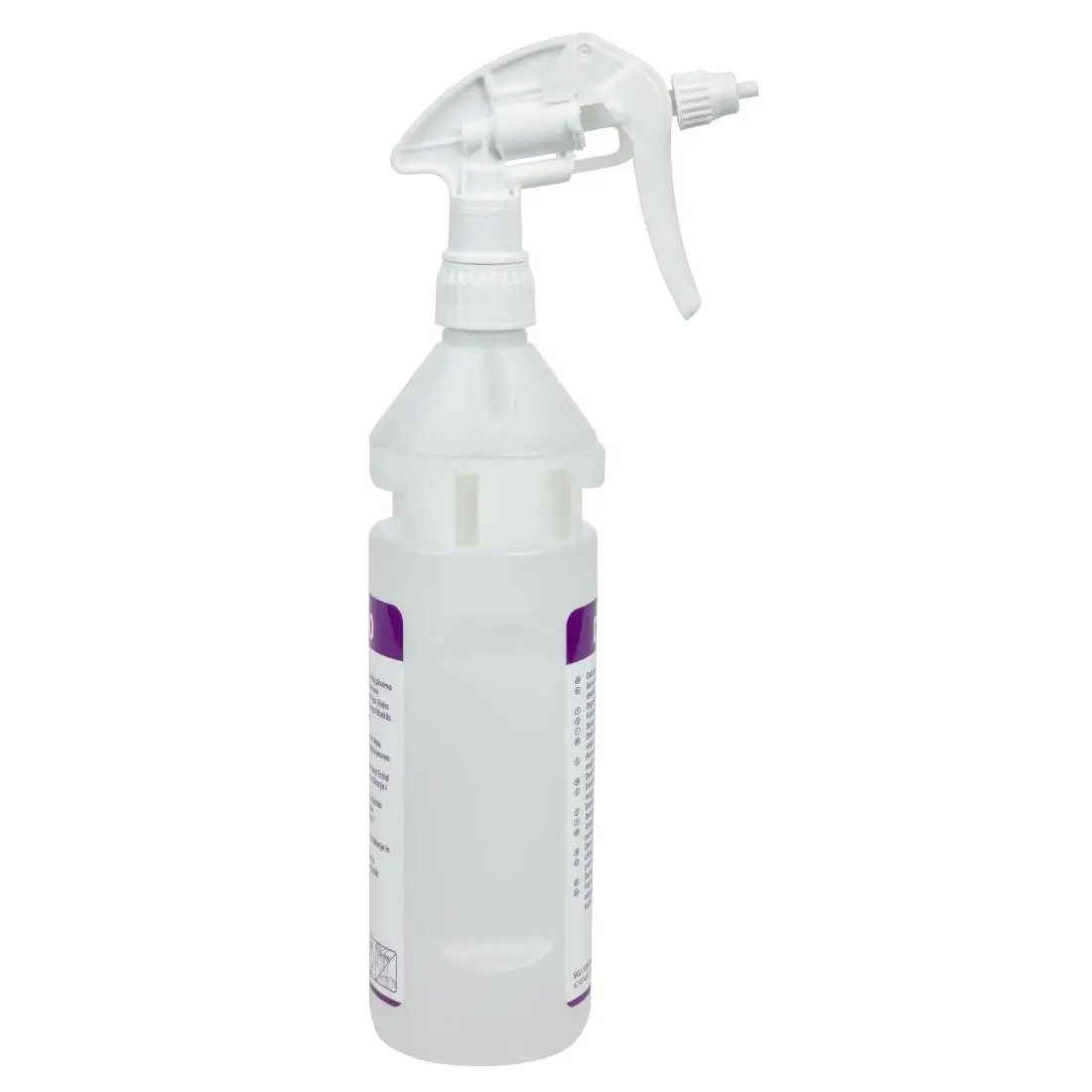
Why this refill bottle earns its place
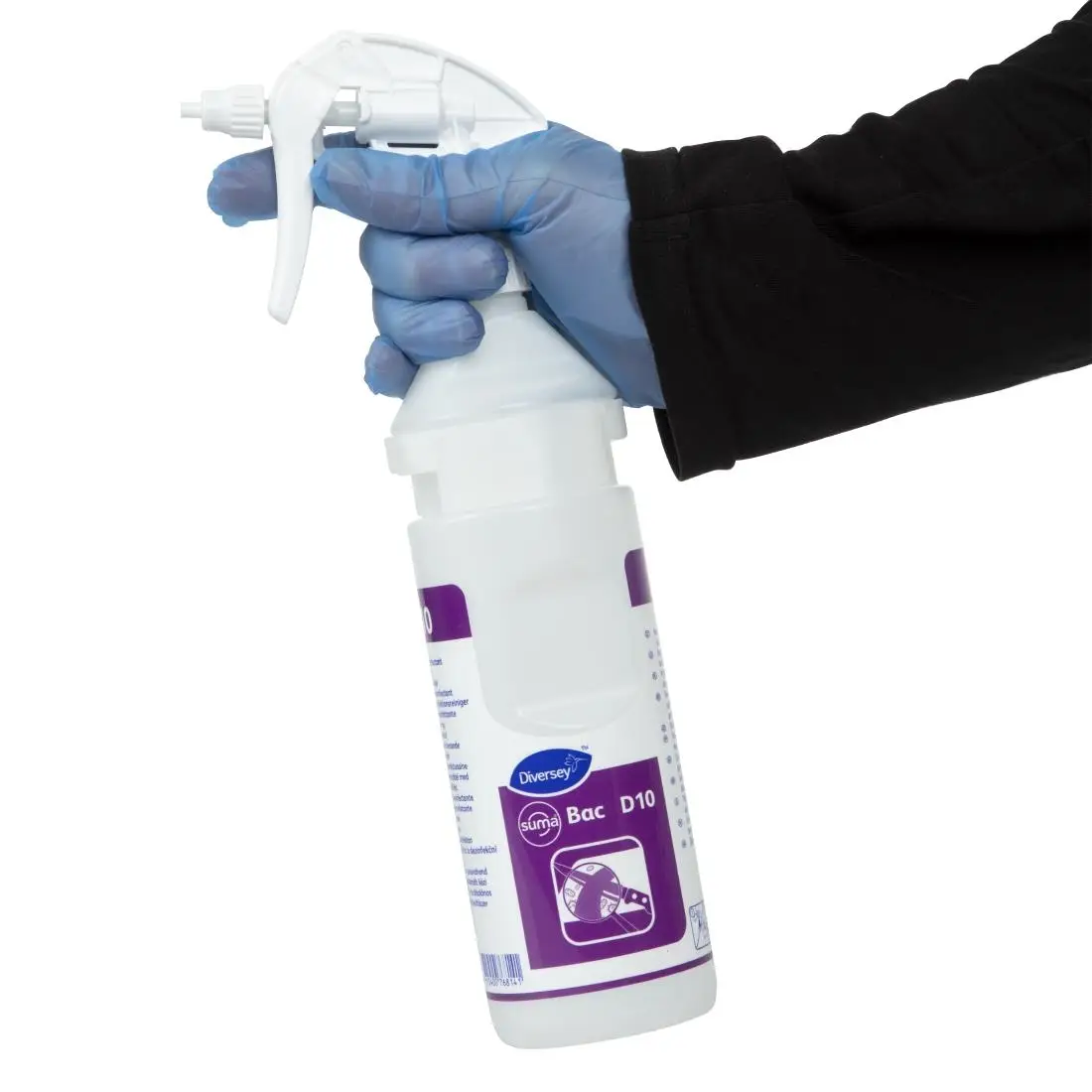
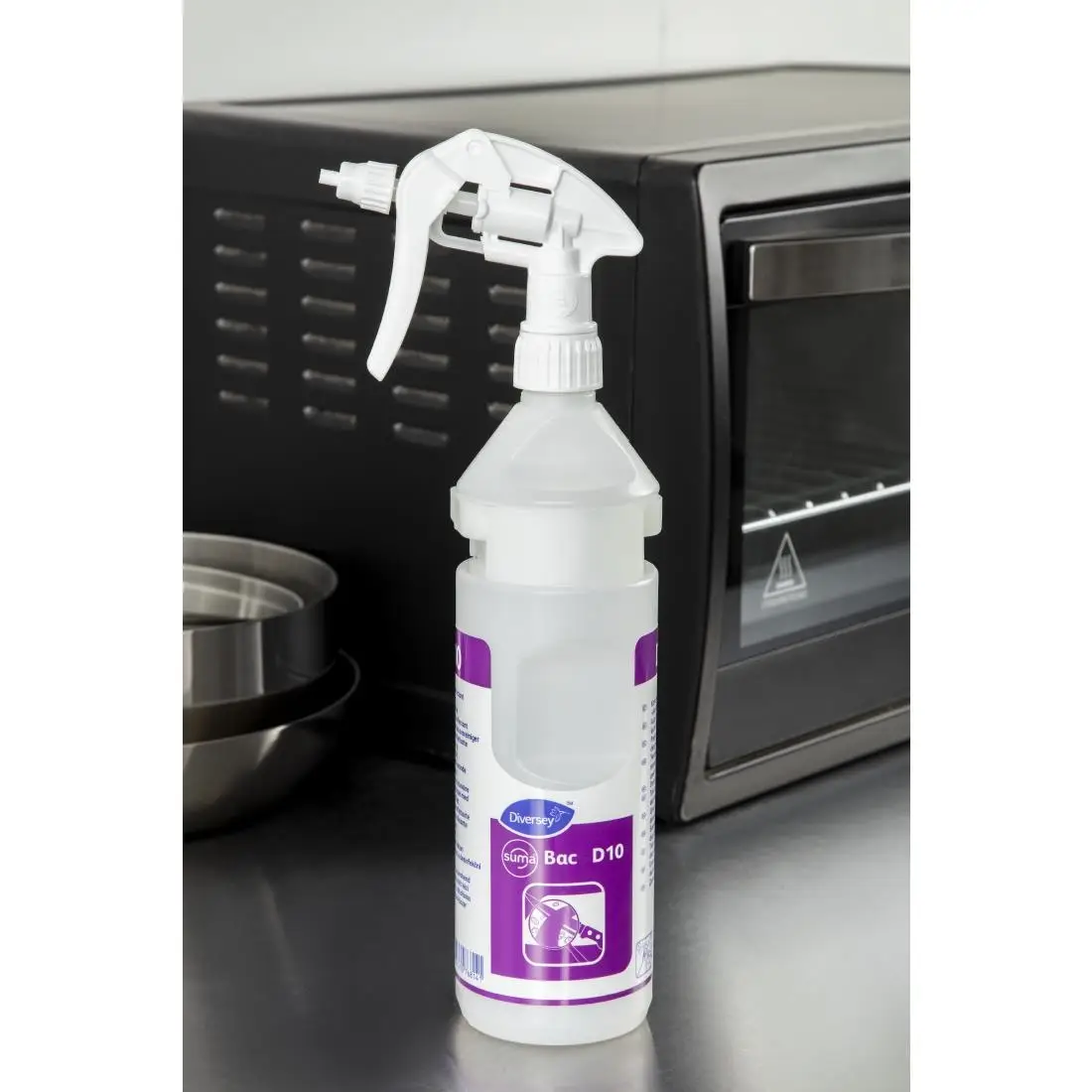
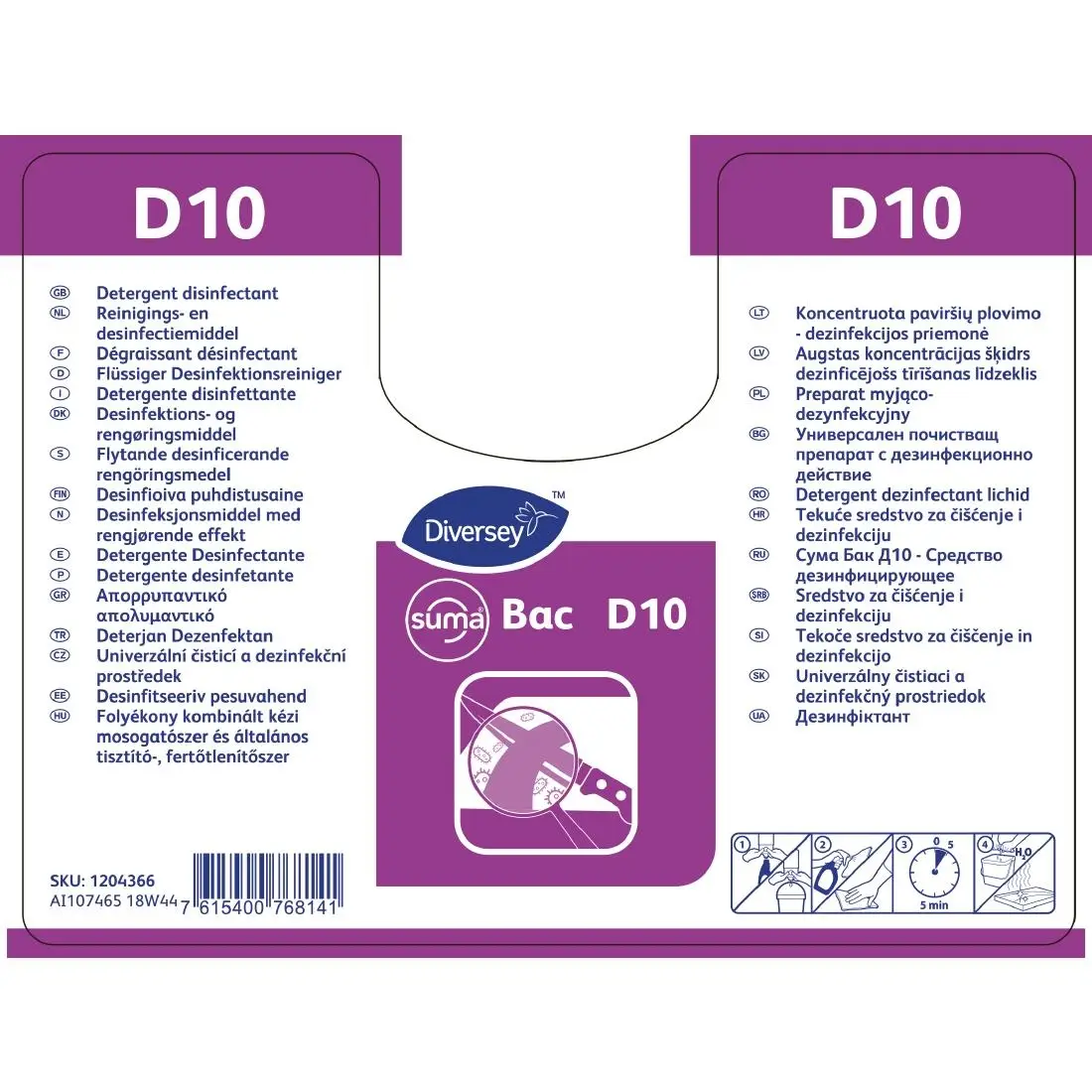
Like the D2 bottles in the same range, these are refill vessels for sites running the Divermite S wall dispenser — empty on arrival, ready to take a charge of D10 cleaner and sanitiser rather than needing chemical measured out by hand.
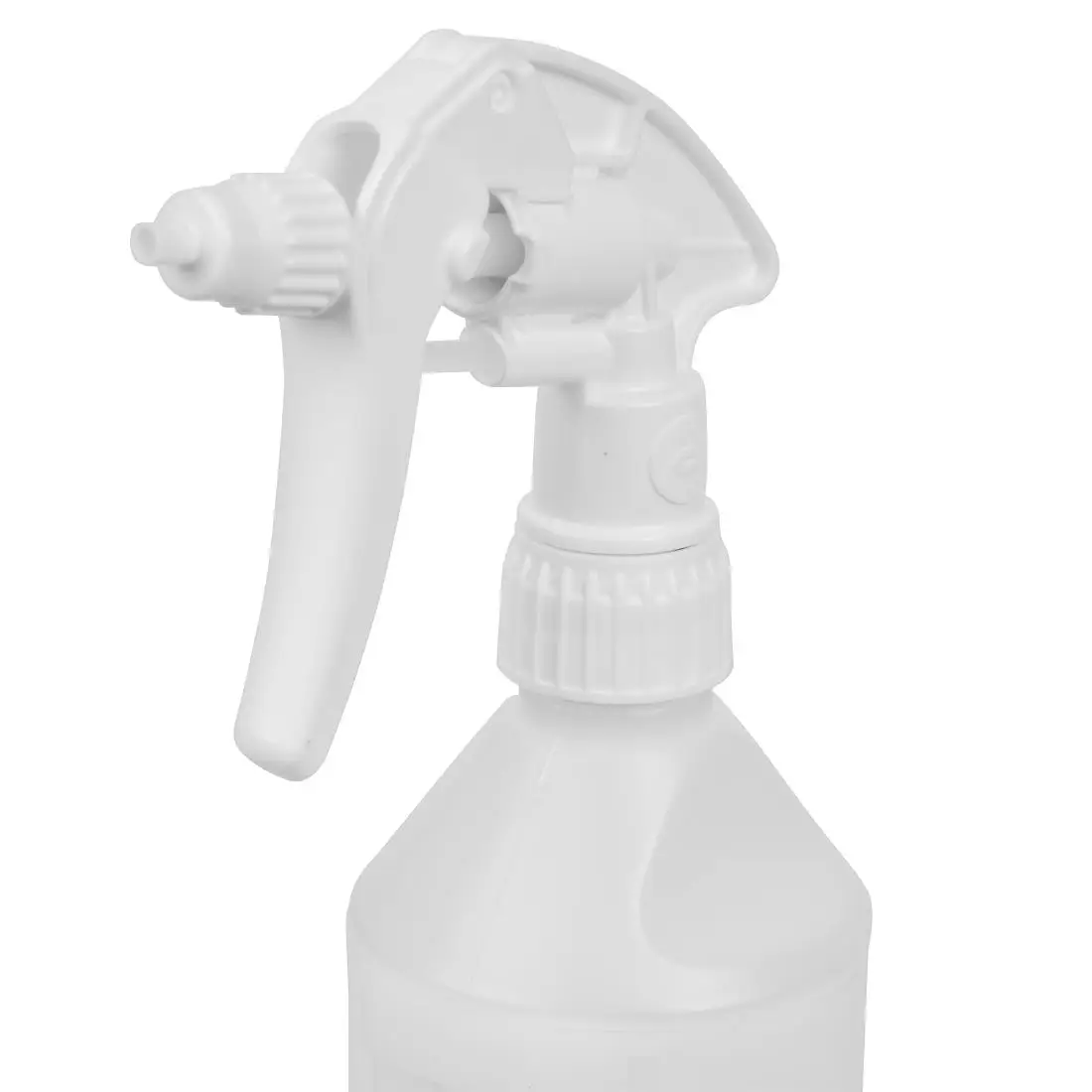
A trigger spray head gives efficient, accurate dispensing across surfaces, and the clear bottle body means whoever picks it up can read the label and confirm the contents before they start — useful on sites juggling more than one chemical at once. The transparent design also means stock levels are visible, so a bottle can be swapped out before it runs dry mid-shift.
Because the dispenser lets you dial in how concentrated the mix comes out, these bottles can be filled to suit the job in hand rather than always mixing at one fixed strength — lighter for routine wiping, stronger for a heavier clean — which also stretches the chemical further and keeps cost-per-use down.
COSHH: six habits of safe chemical use
Control of Substances Hazardous to Health — the routine every commercial kitchen and cleaning cupboard is expected to run.


SDS
Read the label and the manufacturer’s safety data sheet — the pictograms tell you what you are holding.

Who could be harmed, and how badly? Judge likelihood against severity before anyone opens the cap.

Eliminate or substitute first, engineer and organise next — PPE is the last line, never the first.

Keep the controls working: check ventilation, dosing equipment and storage stay as they should be.


Everyone who uses it knows the hazards, the correct dilution and the PPE — before the first shift, not after.

Products and processes change. Reassess when they do, and keep the record that proves it.