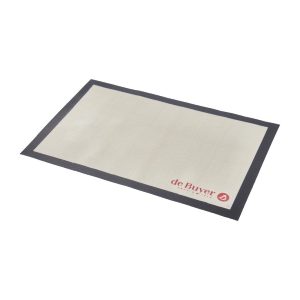
Oven trays and baking trays are flat or shallow-sided metal pans used for roasting, baking and general oven work across commercial kitchens, bakeries, pubs, cafes and care home kitchens. The category covers everything from heavy-duty aluminised steel roasting trays to non-stick baking sheets, and the main buying consideration is matching tray material and gauge to how often it’ll be used and at what oven temperature, since thin trays warp faster under daily commercial heat cycling. Standard commercial tray sizes typically run in GN-compatible or 1/1, 1/2, 2/3 footprints, or classic bakery sizes like 60x40cm, so checking your oven’s rack dimensions before ordering avoids a tray that won’t fit.
Oven trays and baking trays are specified by footprint, side depth, material and gauge. Commercial ovens are built around two footprint families — 600×400mm Euronorm bakery trays and Gastronorm sizes (GN 1/1 530×325mm, plus 1/2 and 2/3) — so measure your oven’s rack spacing before ordering. Side depth sets the use: flat or shallow sheets for bread, biscuits and pastries; deeper-sided trays to contain fat and juices when roasting. Material and gauge drive durability — heavy-gauge aluminised steel withstands daily high-heat use and resists warping, while non-stick coatings ease release and cleaning but wear faster under constant cycling. Most commercial trays are rated for standard oven use to around 230°C, so check the coating or gauge rating at the top end. This section also covers cake tins and moulds, pizza trays, bakery and oven accessories, and oven-to-table dishes, so the core rule is to match every piece to your oven size, temperature and workload. Used across bakeries, pubs, cafés, hotels and care home kitchens.
What’s the difference between a baking tray and a roasting tray?
Baking trays are typically flatter with shallow or no sides, suited to bread, pastries and biscuits, while roasting trays have deeper sides to contain fat and juices from meat and vegetables.
Aluminised steel or non-stick?
Aluminised steel is more durable for daily heavy commercial use and high temperatures; non-stick coated trays are easier to clean and release food more easily but can wear faster under constant high-heat use.
What oven temperature can these trays handle?
Most commercial-grade trays are rated for standard oven use up to around 230°C, though it’s worth checking the specific coating or gauge rating for anything used at the top end regularly.
If you have any questions about our products, then please get in touch.