

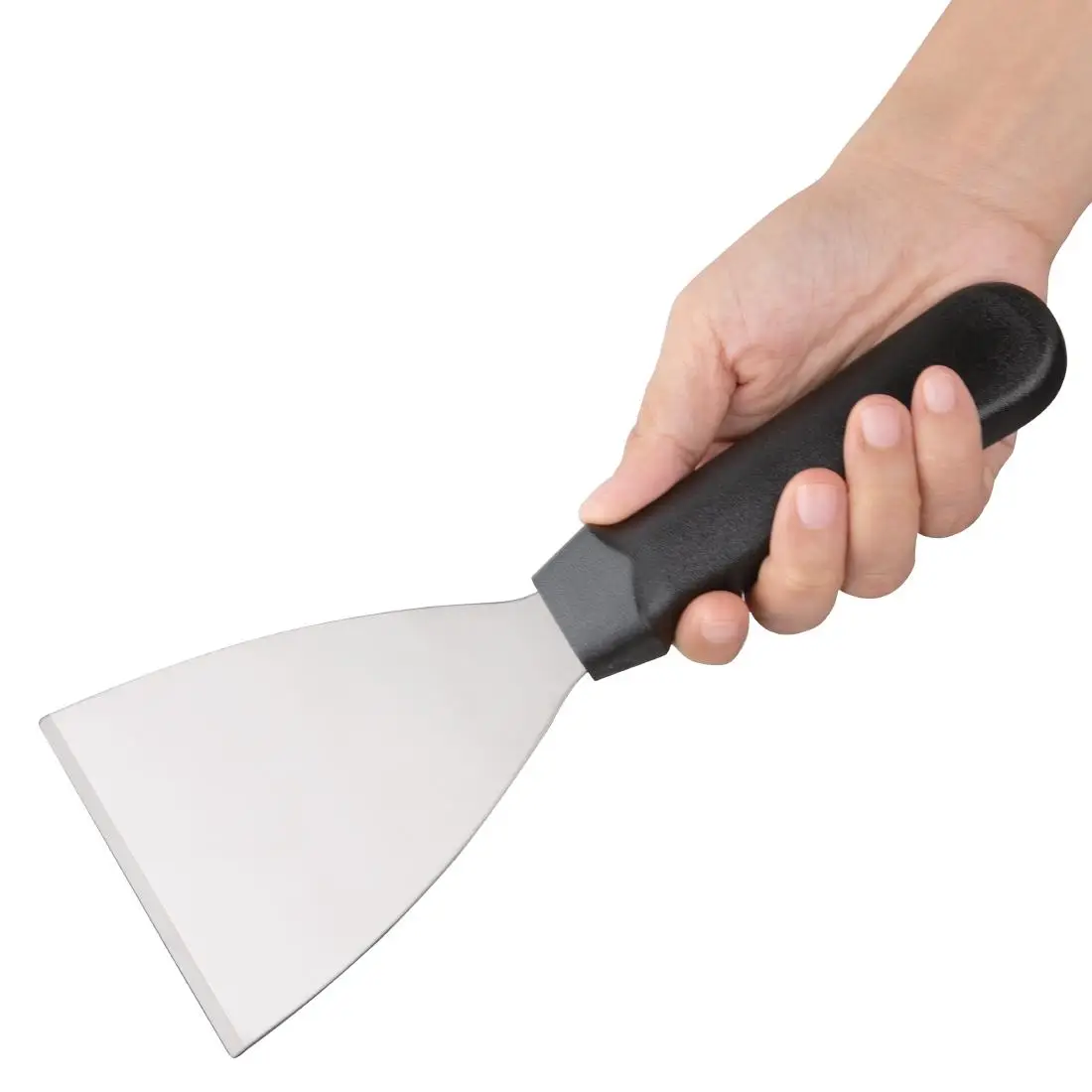
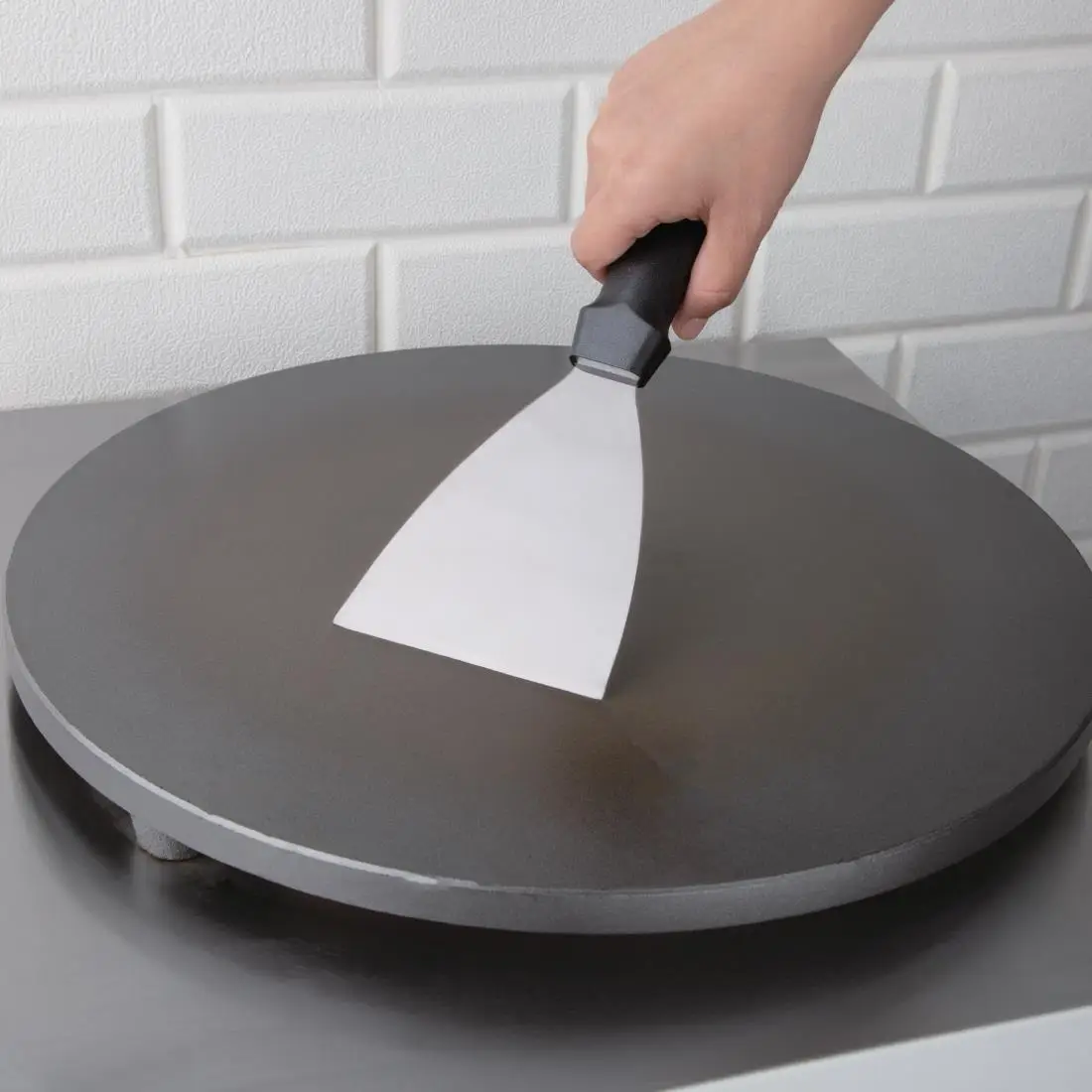
Why this scraper earns its place
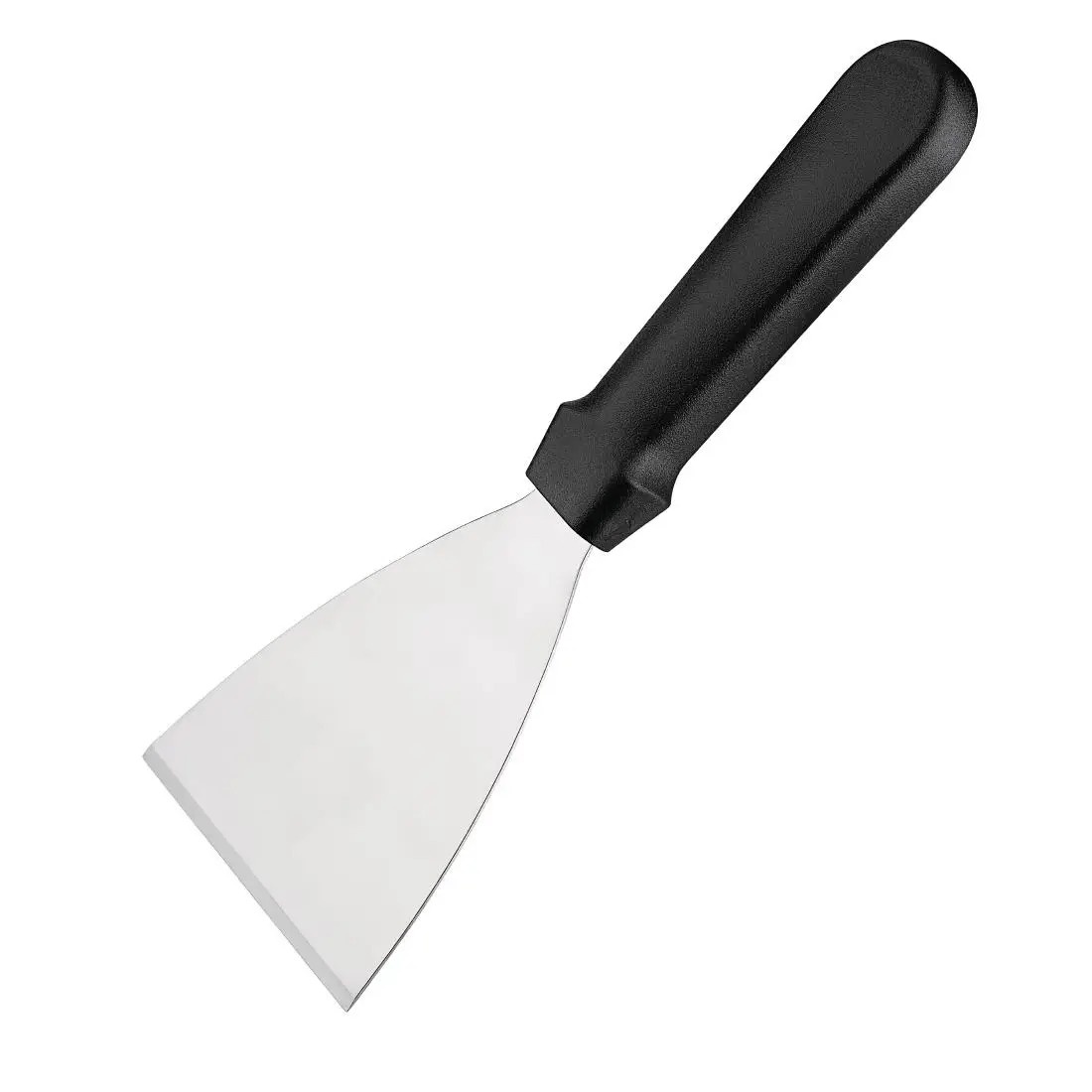
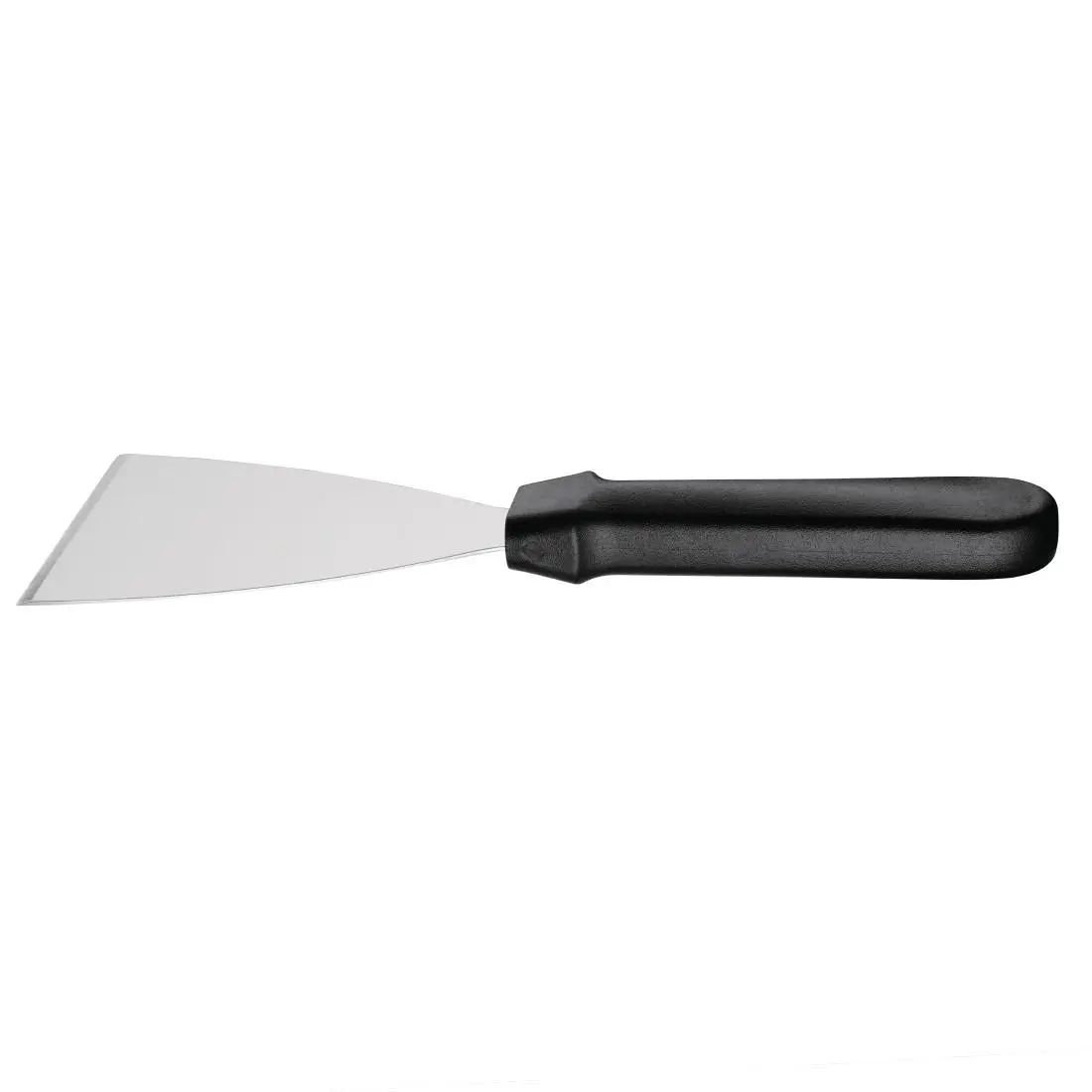
Burnt-on food and hardened grease build up fast on a griddle plate during service, and the Jantex Griddle Scraper is built to shift it. The rigid stainless-steel blade cuts through stubborn carbon deposits and dried-on residue, while its thin profile slides underneath crusted debris rather than just scraping the top layer off, so you get the plate properly clean rather than just tidier.
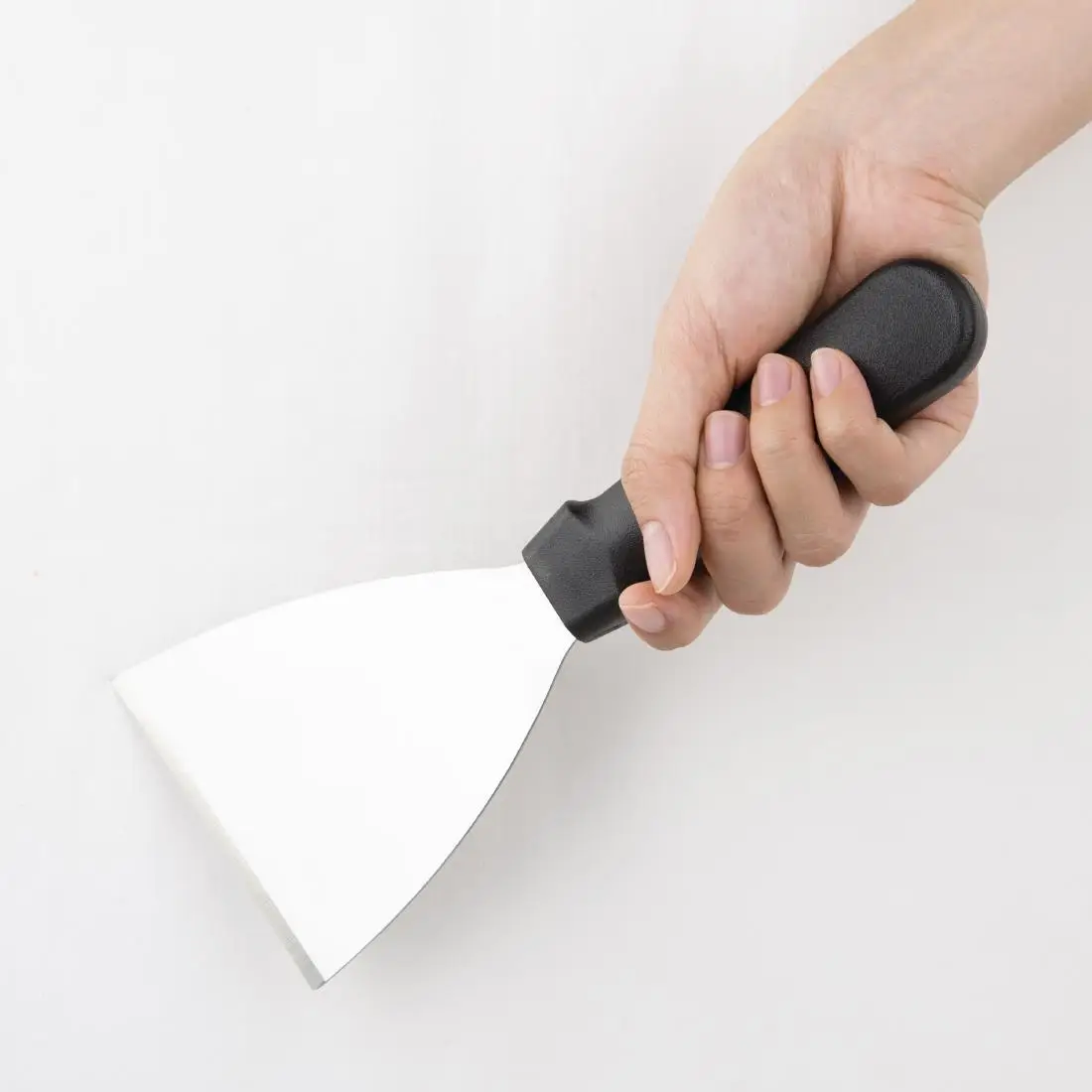
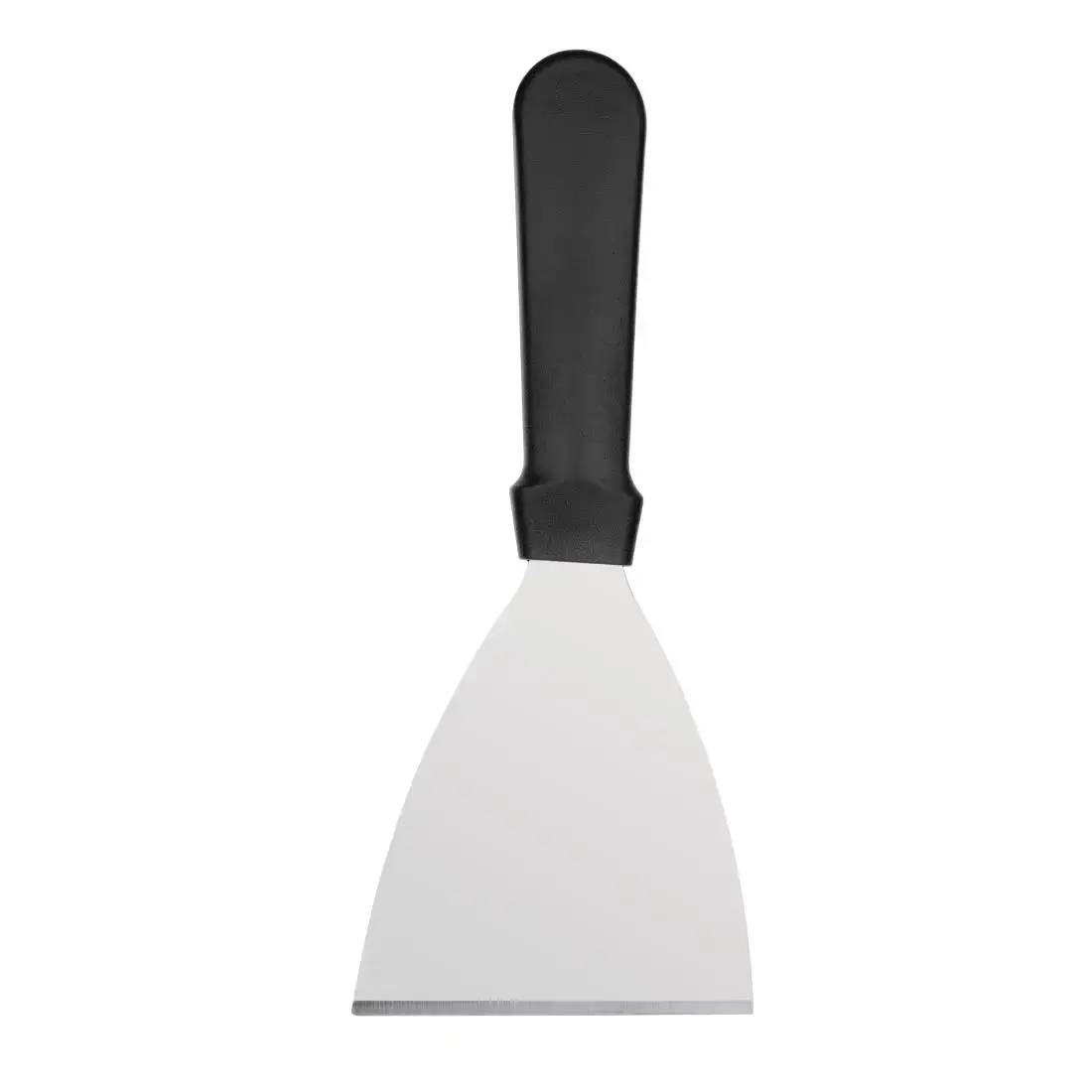
The blade measures 100mm wide and just 0.96mm thick, giving enough edge to cover a decent stretch of griddle in each pass without being so thick it skates over what it's meant to remove. It's set into a metal and plastic handle assembly built for durability under repeated daily use, not a scraper that flexes or cracks after a few weeks on the line.
The handle itself is shaped to be comfortable through a full shift of scraping – a 33mm-wide grip with an ergonomic profile designed to prevent the aches and pains that come with repetitive scraping motions, and to stop the tool slipping in a wet, greasy hand when things get busy.
COSHH: six habits of safe chemical use
Control of Substances Hazardous to Health — the routine every commercial kitchen and cleaning cupboard is expected to run.


SDS
Read the label and the manufacturer’s safety data sheet — the pictograms tell you what you are holding.

Who could be harmed, and how badly? Judge likelihood against severity before anyone opens the cap.

Eliminate or substitute first, engineer and organise next — PPE is the last line, never the first.

Keep the controls working: check ventilation, dosing equipment and storage stay as they should be.


Everyone who uses it knows the hazards, the correct dilution and the PPE — before the first shift, not after.

Products and processes change. Reassess when they do, and keep the record that proves it.


