


Why this washing up liquid earns its place
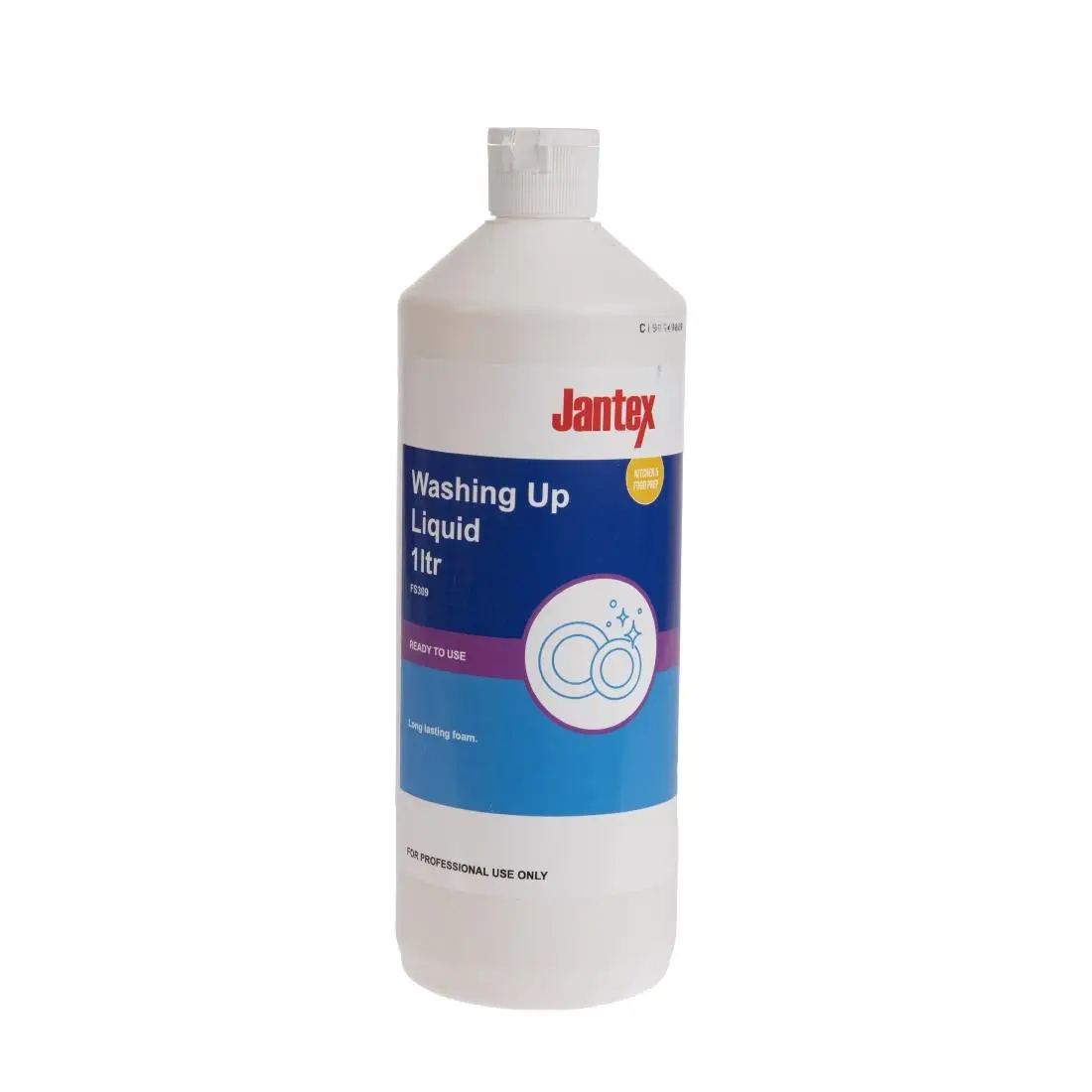
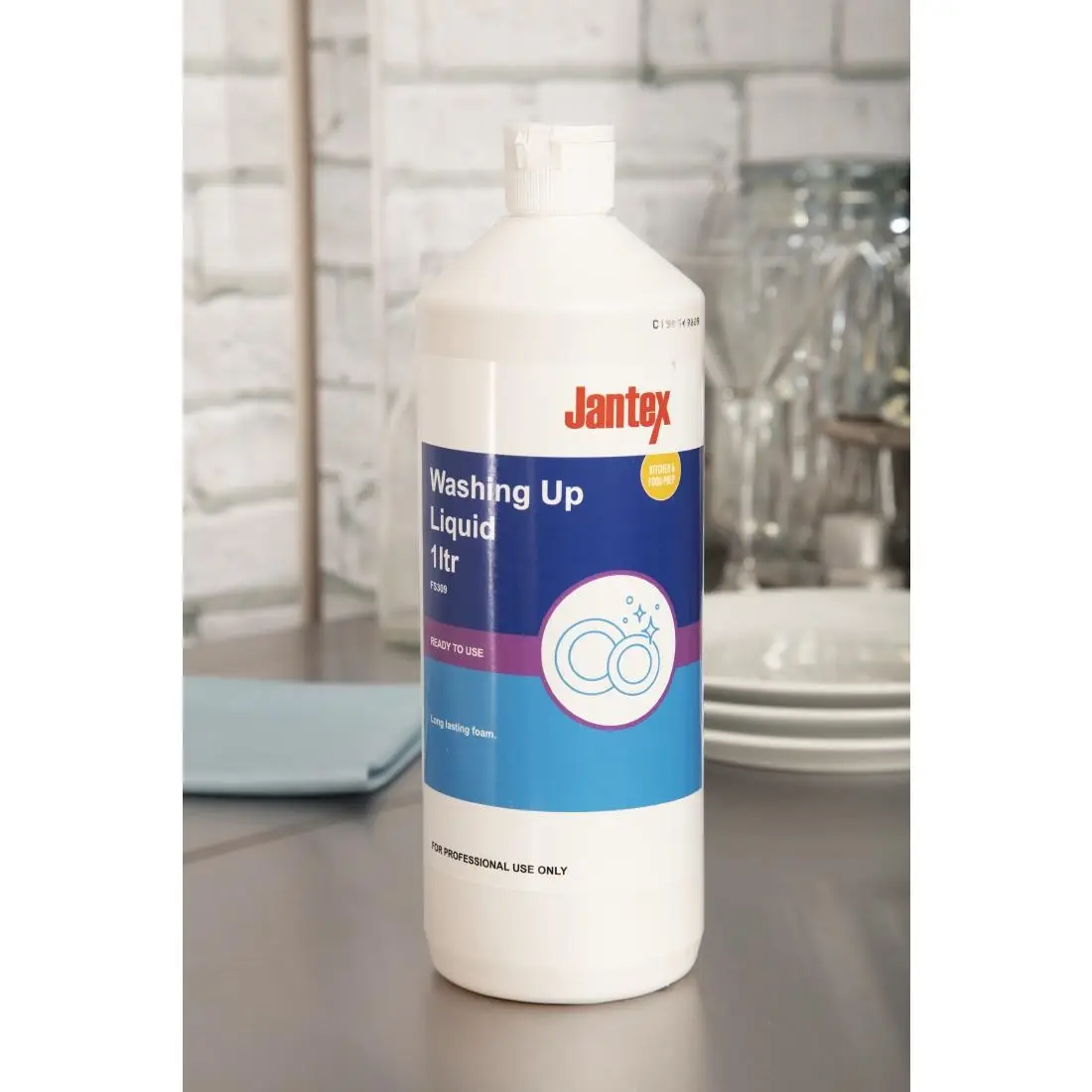
Jantex's Citrus Washing Up Liquid is built primarily as a hand dishwashing liquid, producing a mild, long-lasting foam that leaves crockery and glassware sparkling clean and streak-free.
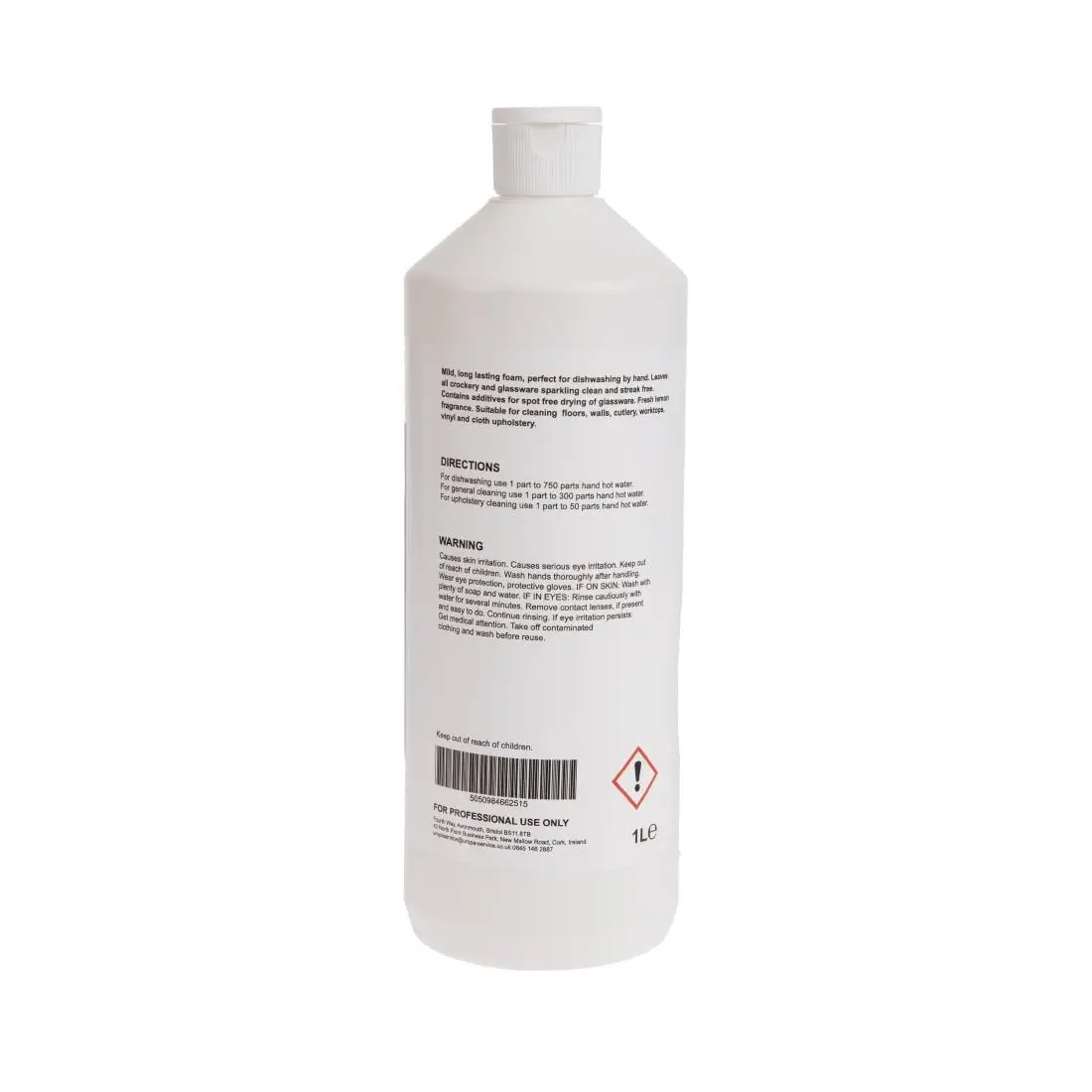
It includes additives specifically for spot-free drying of glassware, which matters for anywhere polished glasses are going straight from the sink to a customer-facing bar or table rather than getting hand-dried and checked individually.Its versatility is where it earns its place beyond the pot-wash sink: the same formula is suited to general cleaning of walls, paintwork, upholstery and even vehicles, and it can be used at different strengths for different jobs — noted dilution ratios run from 1:750 for dishwashing use, through 1:300 for general cleaning, up to 1:50 for upholstery cleaning. That range means one bottle covers hand-washing dishes and a genuine spread of light-duty cleaning tasks around a site, rather than being a one-trick washing-up liquid.The lemon fragrance is worked through the whole formula, so beyond the cleaning result, both the wash-up and any surface it's used on are left with a fresh citrus scent rather than smelling of chemicals.
Supplied ready to use at 1 litre, it dilutes down at the sink so smaller doses make the bottle last, and the bottle itself is part of Jantex's move to 30% recycled post-consumer plastic. It's a practical, do-a-bit-of-everything liquid for smaller kitchens or as a backup bottle alongside a dedicated washing-up liquid.
COSHH: six habits of safe chemical use
Control of Substances Hazardous to Health — the routine every commercial kitchen and cleaning cupboard is expected to run.


SDS
Read the label and the manufacturer’s safety data sheet — the pictograms tell you what you are holding.

Who could be harmed, and how badly? Judge likelihood against severity before anyone opens the cap.

Eliminate or substitute first, engineer and organise next — PPE is the last line, never the first.

Keep the controls working: check ventilation, dosing equipment and storage stay as they should be.


Everyone who uses it knows the hazards, the correct dilution and the PPE — before the first shift, not after.

Products and processes change. Reassess when they do, and keep the record that proves it.


