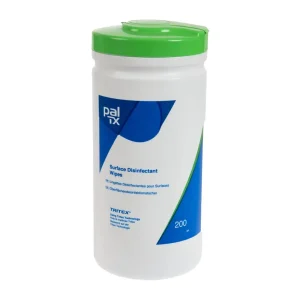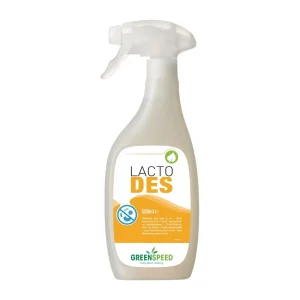


Why this antibacterial wipe earns its place
Uniwipe's Clinical Disinfectant Midi-Wipes combine cleaning and disinfecting in a single wipe, built for genuinely demanding hygiene environments rather than light everyday dusting. The dual-action formula is antibacterial, virucidal and fungicidal, working within 30 seconds of contact, and it's proven to a 99.999% bacteria kill rate — a level of performance that puts it firmly in clinical territory rather than standard commercial cleaning.Virus coverage is extensive: the wipes are effective against Norovirus, Influenza A (H1N1), Herpes Simplex, Hepatitis C, and coronaviruses including SARS-CoV-2, the virus that causes COVID-19.
That range matters for any site handling food, public contact points, or anywhere illness spreads easily through touched surfaces. Certification backs the performance claims directly: the wipes are certified to EN1276, EN14476, EN16615 and EN14561, the recognised European standards for bactericidal, virucidal and surface disinfection efficacy testing.Despite the clinical-strength performance, the formula is alcohol-free and dermatologically tested, so it's gentle enough on hands and surfaces for repeated use through a shift without the drying or irritation that comes with harsher alcohol-based wipes.
Each wipe measures 220mm x 200mm, a genuinely usable midi size rather than a small single-swipe wipe, and the tub has a durable, sealable lid built into flexible, recyclable packaging — wipes stay wet even if the lid is left open longer than it should be, which matters in a busy environment where the lid doesn't always get closed straight away. Manufactured in the UK, the 100-pack suits medical environments, offices, schools and any commercial kitchen or front-of-house area needing genuine disinfection rather than surface cleaning alone.
COSHH: six habits of safe chemical use
Control of Substances Hazardous to Health — the routine every commercial kitchen and cleaning cupboard is expected to run.


SDS
Read the label and the manufacturer’s safety data sheet — the pictograms tell you what you are holding.
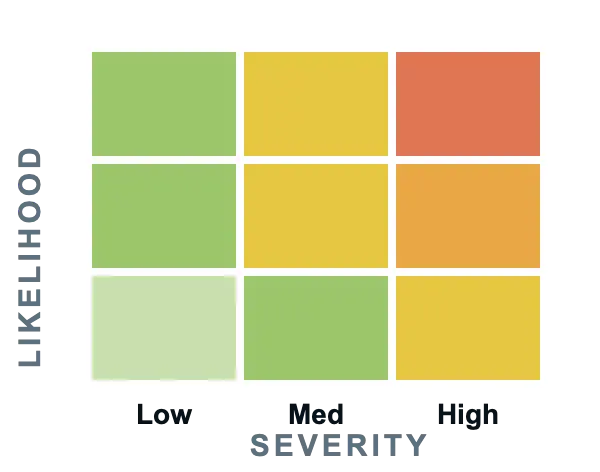
Who could be harmed, and how badly? Judge likelihood against severity before anyone opens the cap.
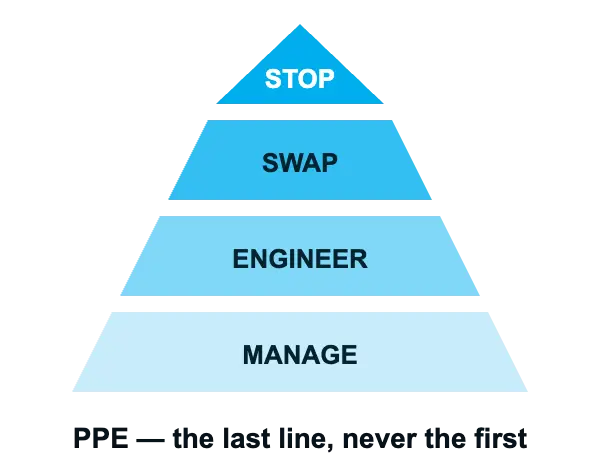
Eliminate or substitute first, engineer and organise next — PPE is the last line, never the first.
Keep the controls working: check ventilation, dosing equipment and storage stay as they should be.


Everyone who uses it knows the hazards, the correct dilution and the PPE — before the first shift, not after.

Products and processes change. Reassess when they do, and keep the record that proves it.