Why this grillbrick earns its place
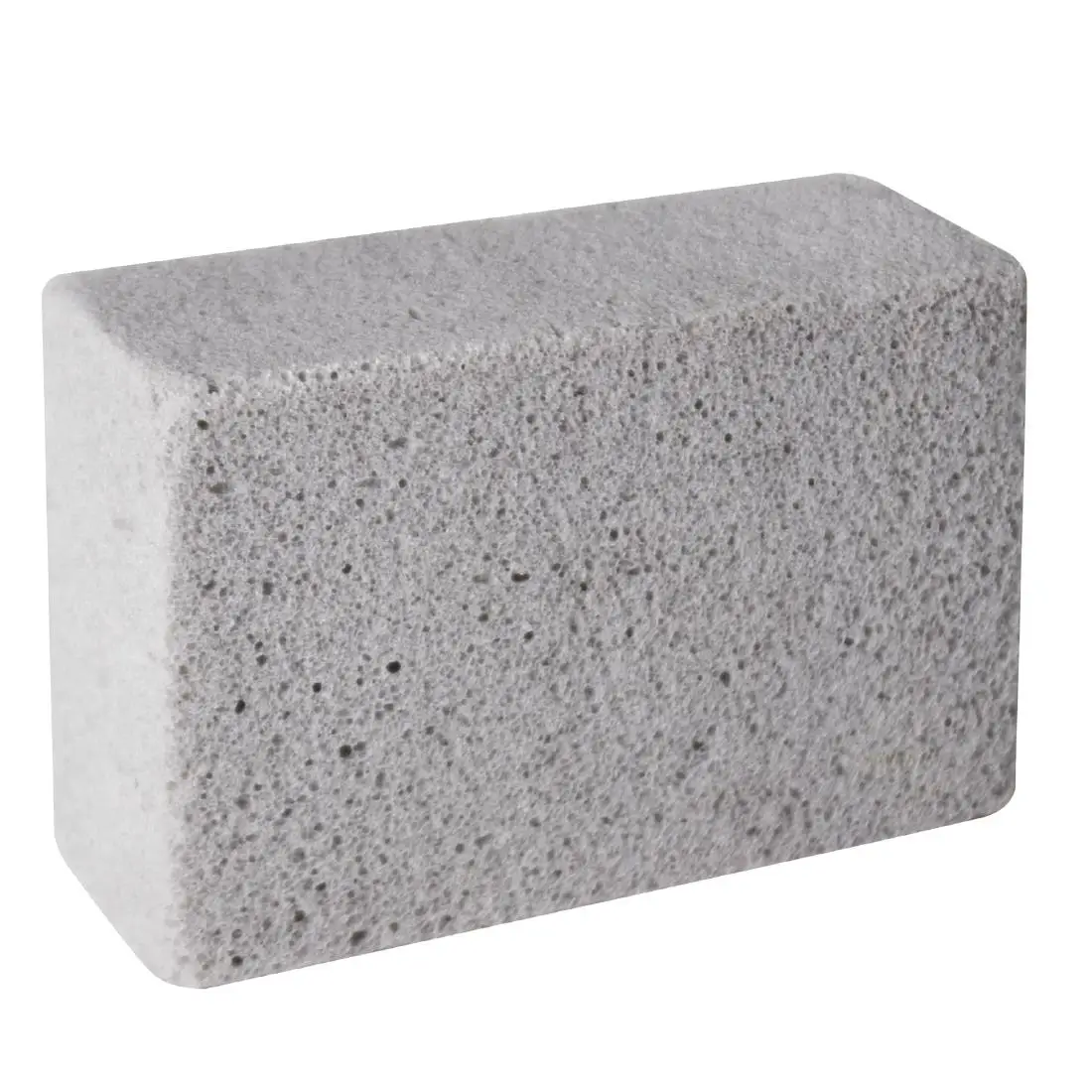
This is a simple, no-frills tool for the end of a busy grill service, when burnt-on fat and carbon have baked onto the bars and need scrubbing off rather than sprayed away. It's aimed at any kitchen running a char-grill, flat-top or barbecue that needs regular manual cleaning between shifts.
Made from natural pumice stone, the grillstone works by abrasion rather than chemical action, cutting through cooked-on grease and carbon build-up with a bit of elbow grease and no need to wait for a cleaning product to dwell. At a compact 40 × 100 × 70 mm and just 70g, it's an easy size to keep by the grill station and hold at an angle to work into bars and ridges.
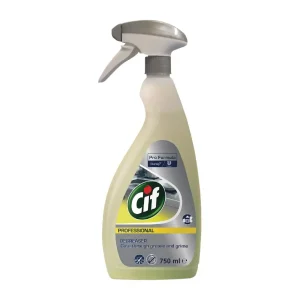
Because it relies on natural abrasive action rather than a formulated chemical, there's no dilution, no dwell time and nothing to rinse off beyond the loosened residue itself, which makes it a straightforward addition to an end-of-shift cleaning routine alongside your usual degreaser.
COSHH: six habits of safe chemical use
Control of Substances Hazardous to Health — the routine every commercial kitchen and cleaning cupboard is expected to run.


SDS
Read the label and the manufacturer’s safety data sheet — the pictograms tell you what you are holding.

Who could be harmed, and how badly? Judge likelihood against severity before anyone opens the cap.

Eliminate or substitute first, engineer and organise next — PPE is the last line, never the first.

Keep the controls working: check ventilation, dosing equipment and storage stay as they should be.


Everyone who uses it knows the hazards, the correct dilution and the PPE — before the first shift, not after.

Products and processes change. Reassess when they do, and keep the record that proves it.