

Why this floor cleaner earns its place
This is the maintenance step between full strip-and-polish cycles, keeping already-polished floors looking sharp and slip-resistant through heavy foot traffic rather than letting the shine dull.
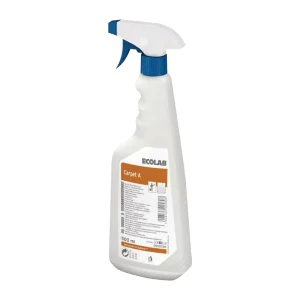
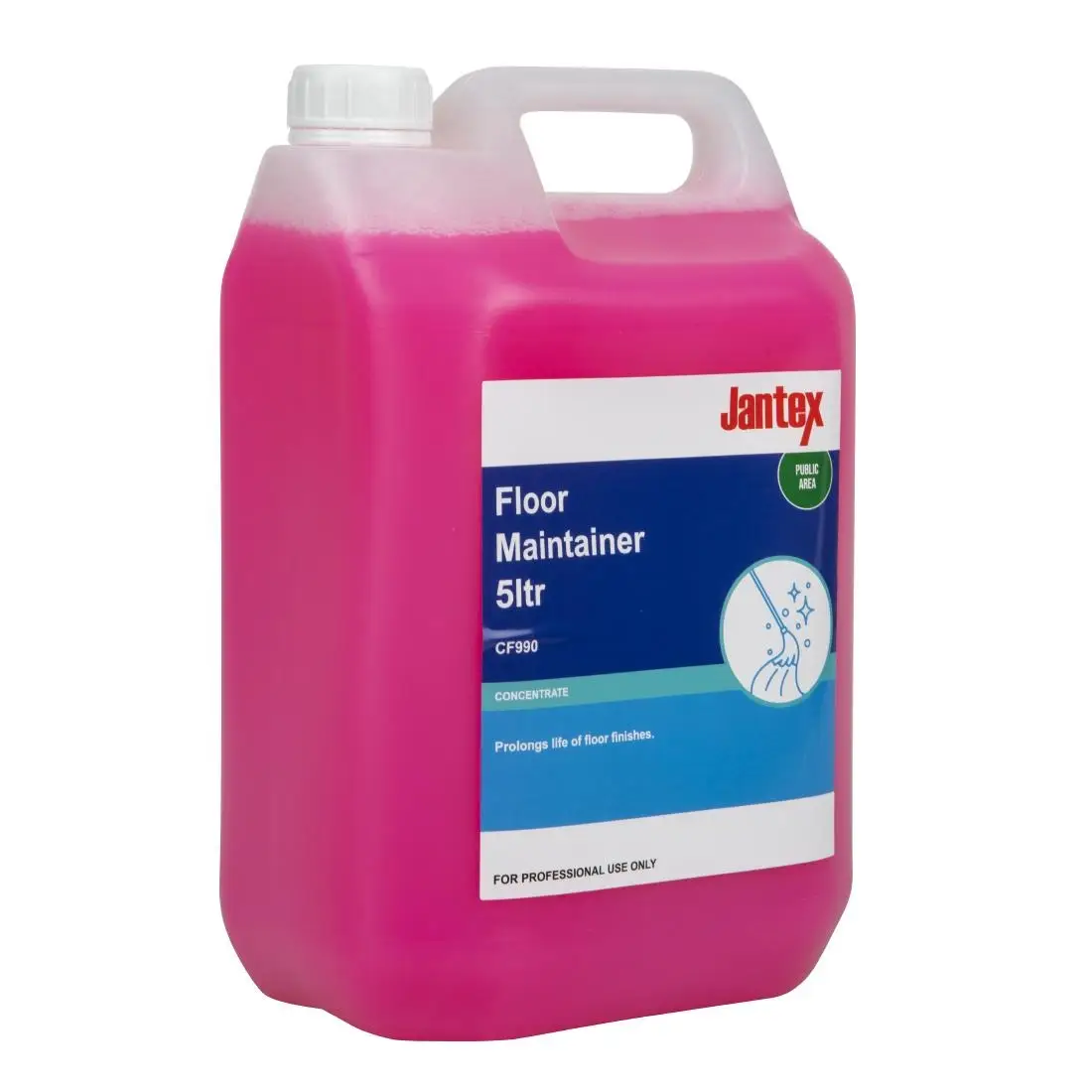
The powerful formula cuts through dirt, grease and heel marks while helping protect the floor against further grime build-up. It dilutes at 1:40 for general mopping or 1:20 for spray cleaning through the Jantex spray bottles (CD815, CD816, CD817 and CD818), and each 5-litre bottle makes up to 200 litres of working solution — enough for a decent stretch of routine maintenance. Being dual-purpose, it also cuts down the number of separate cleaning products a round needs to carry.
It's classed as an irritant rather than corrosive or flammable, carries a pleasant perfume, and the bottle is moving to 30% recycled post-consumer plastic. It's suitable on all hard floors except unsealed wood and cork, but it isn't formulated as food safe, so it should stay off food-contact surfaces.
COSHH: six habits of safe chemical use
Control of Substances Hazardous to Health — the routine every commercial kitchen and cleaning cupboard is expected to run.


SDS
Read the label and the manufacturer’s safety data sheet — the pictograms tell you what you are holding.

Who could be harmed, and how badly? Judge likelihood against severity before anyone opens the cap.

Eliminate or substitute first, engineer and organise next — PPE is the last line, never the first.

Keep the controls working: check ventilation, dosing equipment and storage stay as they should be.


Everyone who uses it knows the hazards, the correct dilution and the PPE — before the first shift, not after.

Products and processes change. Reassess when they do, and keep the record that proves it.