
Commercial refrigeration · News desk
One Fridge, Five Jobs? Williams’ MultiTemp Refrigeration, Explained
Williams’ Jade MultiTemp commercial refrigeration, launched earlier this year, operates from +8°C to -22°C. Craven Cooling looks at where that flexibility could help UK kitchens.
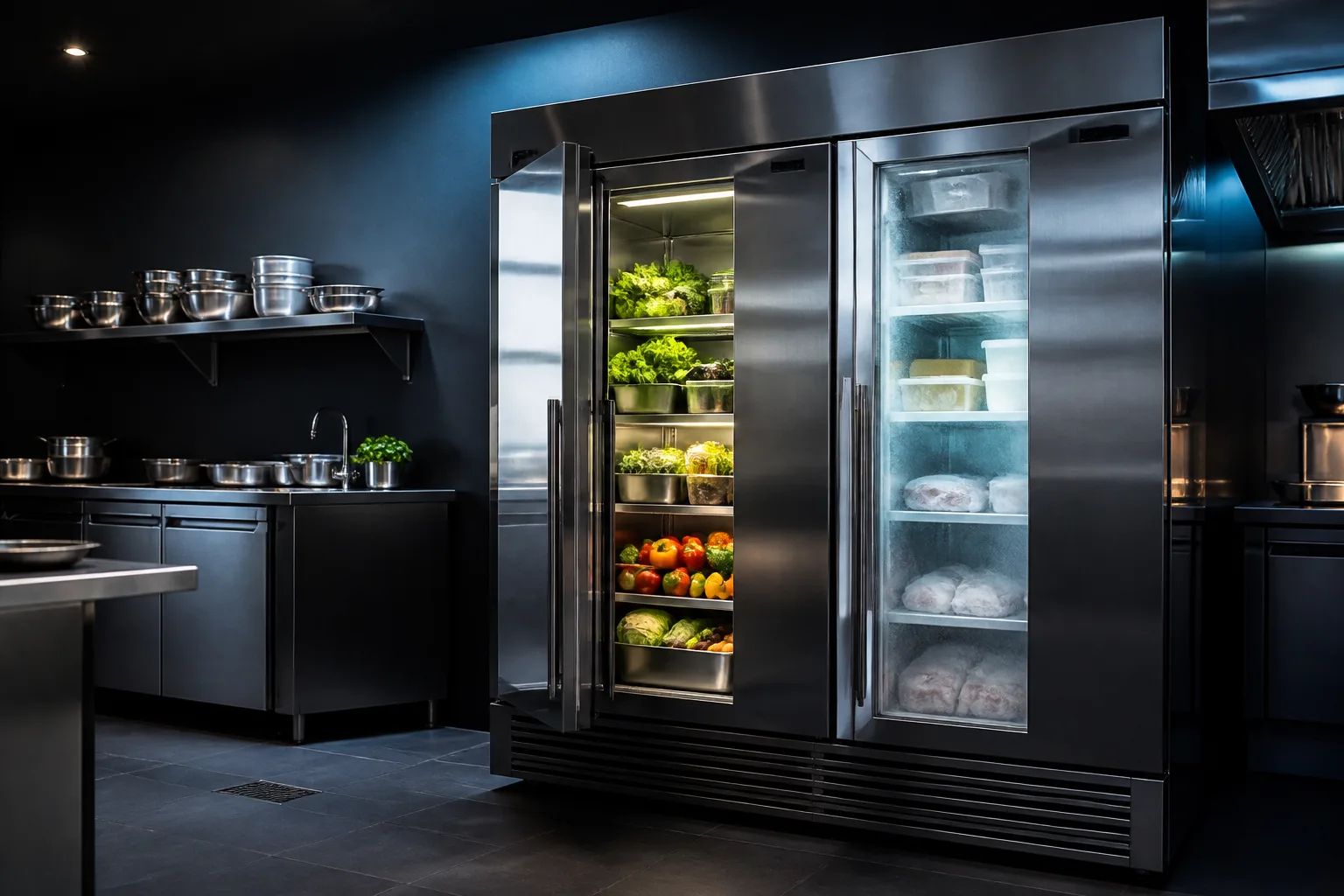
A fridge is a fridge and a freezer is a freezer. At least, that is how commercial kitchens have traditionally had to plan their cold storage.
Williams Refrigeration blurred that line earlier this year. Its Jade MultiTemp range can be set anywhere from +8°C down to -22°C, allowing the same cabinet or counter to change jobs when the kitchen needs it to.
That matters more than it may sound. A restaurant might need extra chilled space for a busy summer menu, frozen capacity ahead of Christmas, or dedicated meat storage at another point in the year. Normally, each requirement means buying a separate appliance or accepting a compromise. MultiTemp is designed to make the available space work harder.
What has Williams launched?
The range contains five models: two- and three-door counters, one- and two-door upright cabinets, and a split half-door cabinet with two independently controlled sections. That last version can hold products at two different temperatures inside one footprint.
Williams says the temperature can be adjusted across the full +8°C to -22°C range. Control accuracy is stated as 0.1°C, and the units include connectivity for remote temperature monitoring, adjustments, HACCP records and trend analysis.
They use natural refrigerant and follow the familiar stainless-steel Jade format, so the innovation is not a fragile gadget bolted onto an unfamiliar machine. It is a different way of using a conventional commercial footprint.
The real test: would your kitchen actually change the setting?
Flexibility is valuable only when there is a genuine operational reason to use it. Before paying for a multi-temperature unit, write down how your storage pressure changes across a full year.
| Kitchen pressure | Possible MultiTemp role |
|---|---|
| Christmas frozen stock | Temporary freezer capacity |
| Summer salads and desserts | Additional chilled storage |
| Menu change | Storage matched to the new ingredients |
| Main fridge breakdown | Short-term chilled backup |
| Main freezer breakdown | Short-term frozen backup |
If every row says “we would never use that”, a conventional cabinet may be the better-value purchase. If several rows describe problems your team already faces, the flexibility starts to earn its keep.
The two-zone cabinet is the clever one
For many kitchens, the most interesting model is not the one that changes from fridge to freezer. It is the split cabinet that can run two temperatures at once. Meat, dairy, prepared desserts and frozen stock do not all want identical conditions. Two controlled sections could reduce the need for separate cabinets without mixing incompatible storage requirements.
Capacity, access, loading patterns and food-safety procedures still need to be planned properly. A flexible temperature dial does not make one shelf suitable for everything. But in a tight kitchen, two genuine temperature zones in one upright footprint could be a very useful piece of engineering.
Craven’s verdict
This is a serious product development rather than a cosmetic refresh. The strongest case is not “one fridge that does everything”; it is one commercial unit that can be reassigned when menus, seasons or emergencies change the job.
Craven Cooling can help you compare a MultiTemp model with a conventional Williams cabinet or counter, check the electrical and ventilation requirements, and decide whether the extra flexibility makes commercial sense for your kitchen.
The stunt — The Seven-Day Cold-Space Diary: For one week, mark every occasion when staff run out of chilled or frozen space. Record the product, temperature needed and how long the shortage lasts. Bring the diary to Craven and we can size the real problem instead of guessing.
Related equipment, live from our range
Live products and prices from our current range.
Tell us what the equipment needs to do.
We’ll compare the options, check the site and help you buy the right refrigeration—not simply the newest one.