

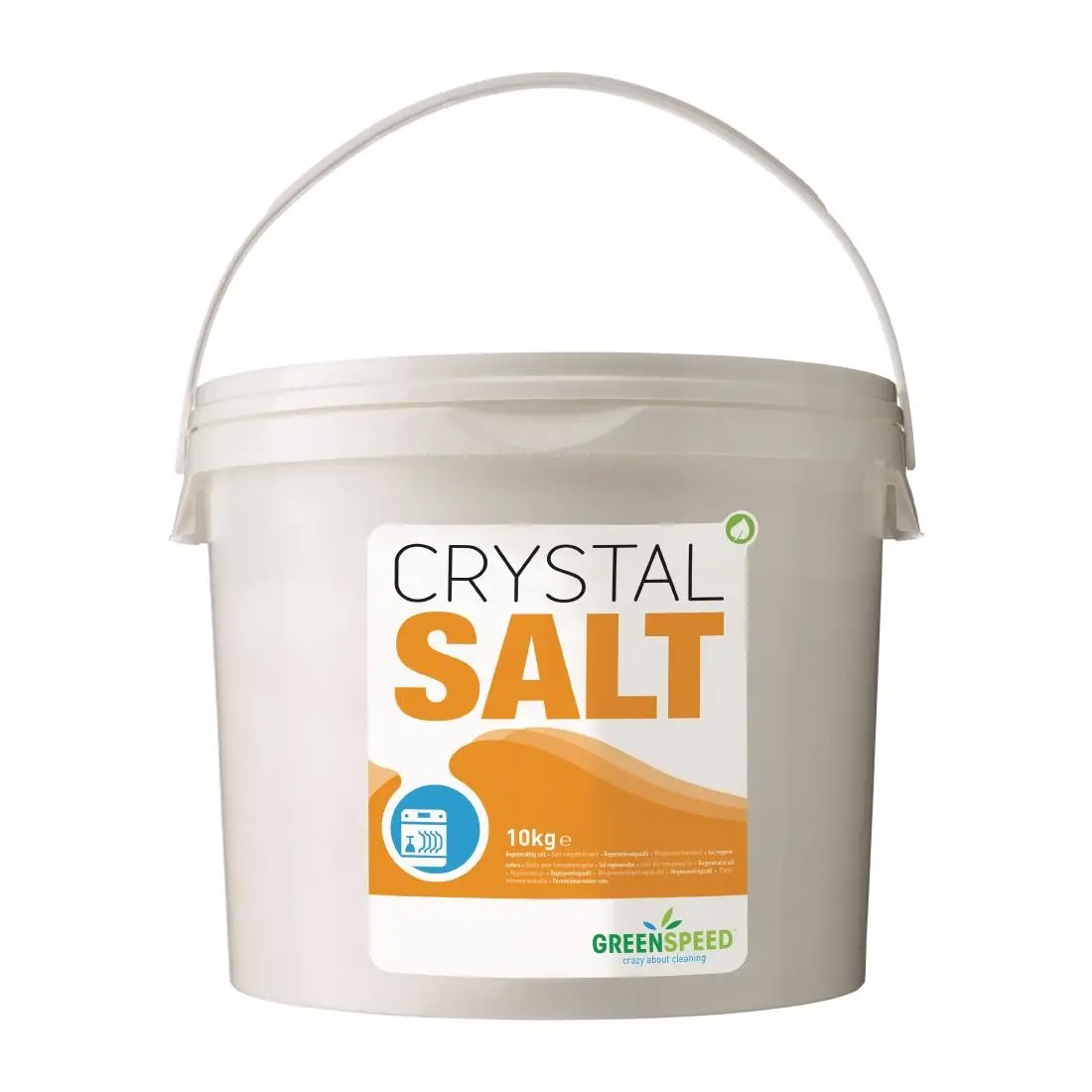
Why this salt earns its place
This is a regeneration salt whose job is to soften the hard water feeding a dishwasher, dissolving quickly and completely so it doesn't sit undissolved in the salt compartment causing blockages or uneven softening further down the line – a problem that's easy to miss until tableware starts coming out looking wrong.
By softening the water, it prevents limescale building up inside the machine itself and stops tableware coming out spotted, clouded or covered in watermarks – protecting both the equipment's working life and the finish on glasses and plates in one move, rather than treating the two as separate problems that need separate fixes and separate products.
It's food-safe, certified septic-tank safe, and has low aquatic toxicity with biodegradable properties, made in a factory powered by renewable energy – genuine environmental credentials rather than a performance trade-off, which matters for sites on a septic system rather than mains drainage. Greenspeed recommends using it alongside their Crystal Powder and Crystal Rinse for the full wash system, rather than treating the salt as a stand-alone fix on its own.
COSHH: six habits of safe chemical use
Control of Substances Hazardous to Health — the routine every commercial kitchen and cleaning cupboard is expected to run.


SDS
Read the label and the manufacturer’s safety data sheet — the pictograms tell you what you are holding.
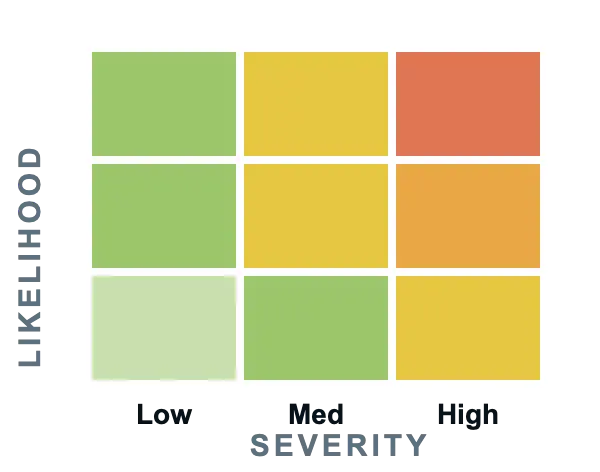
Who could be harmed, and how badly? Judge likelihood against severity before anyone opens the cap.
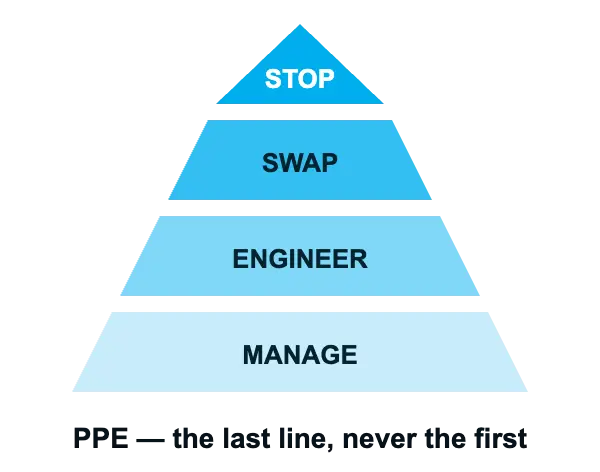
Eliminate or substitute first, engineer and organise next — PPE is the last line, never the first.
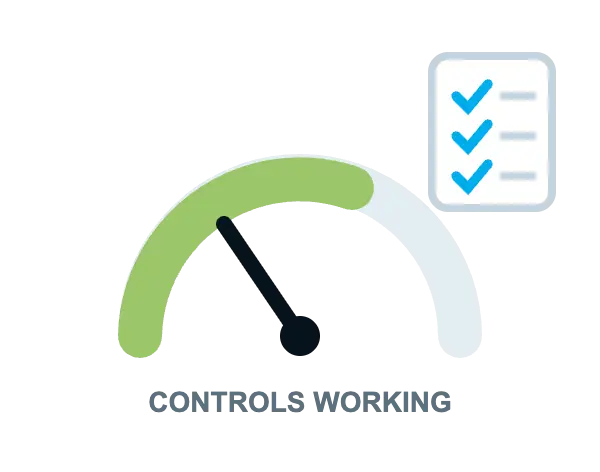
Keep the controls working: check ventilation, dosing equipment and storage stay as they should be.


Everyone who uses it knows the hazards, the correct dilution and the PPE — before the first shift, not after.

Products and processes change. Reassess when they do, and keep the record that proves it.


