Why this glass cleaner earns its place
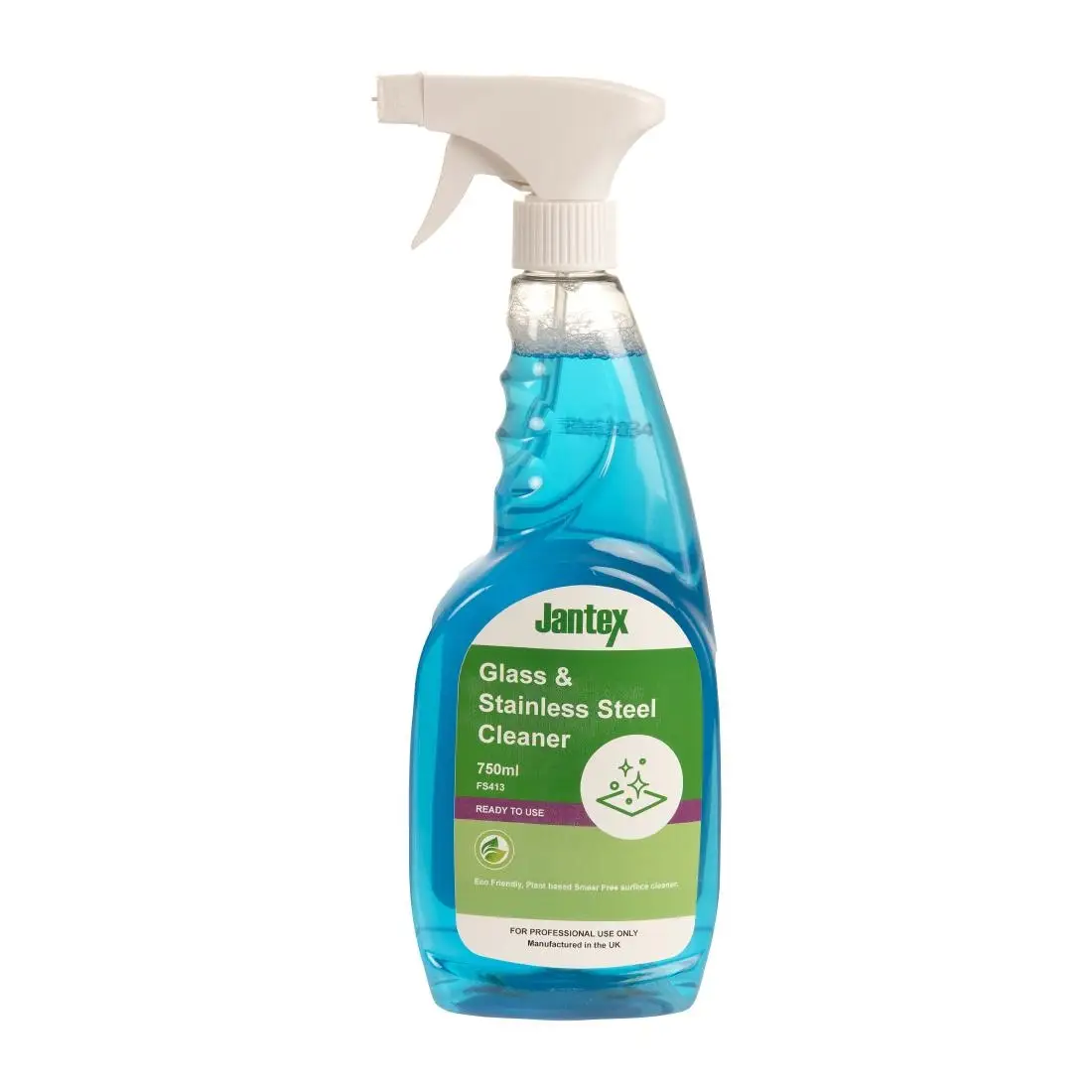
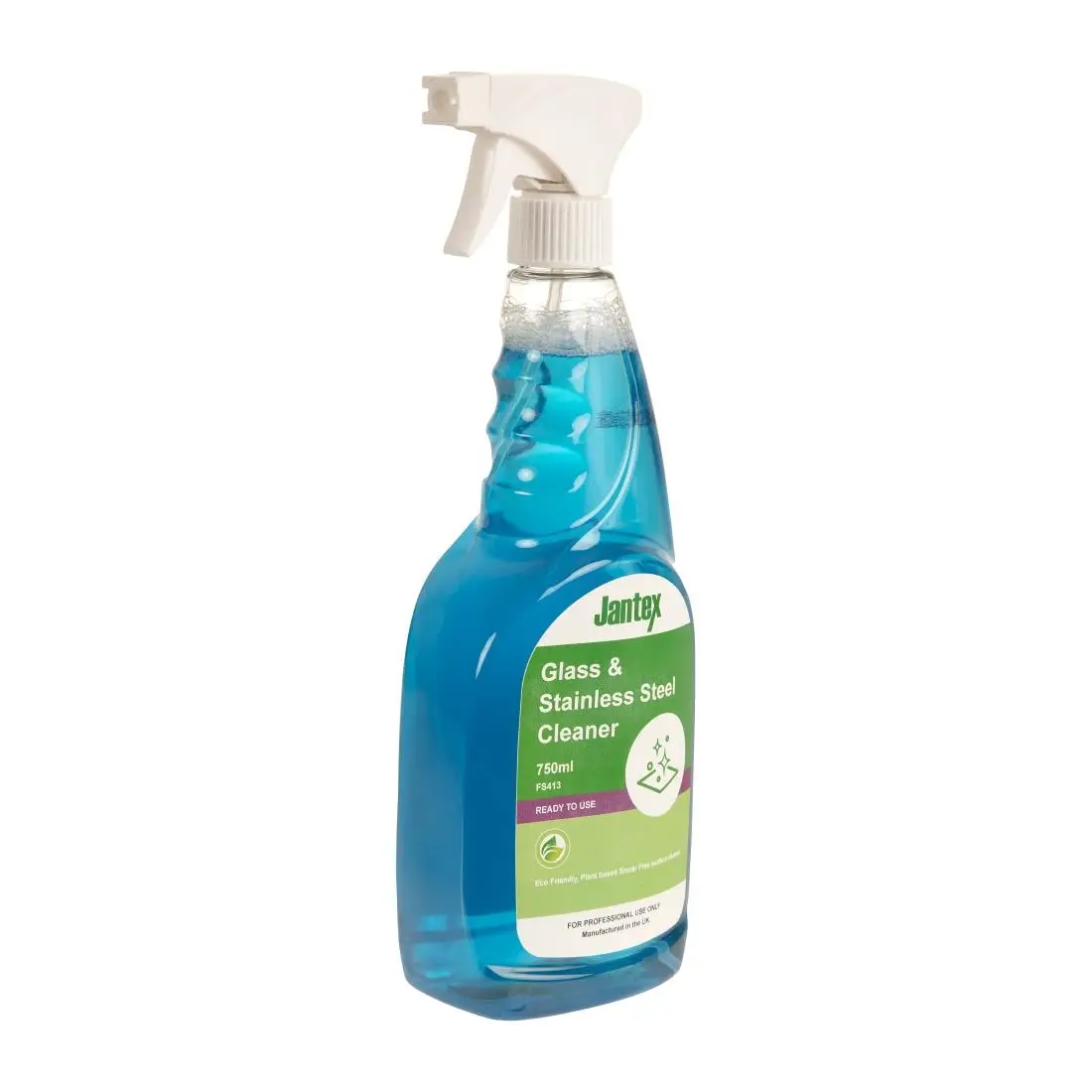
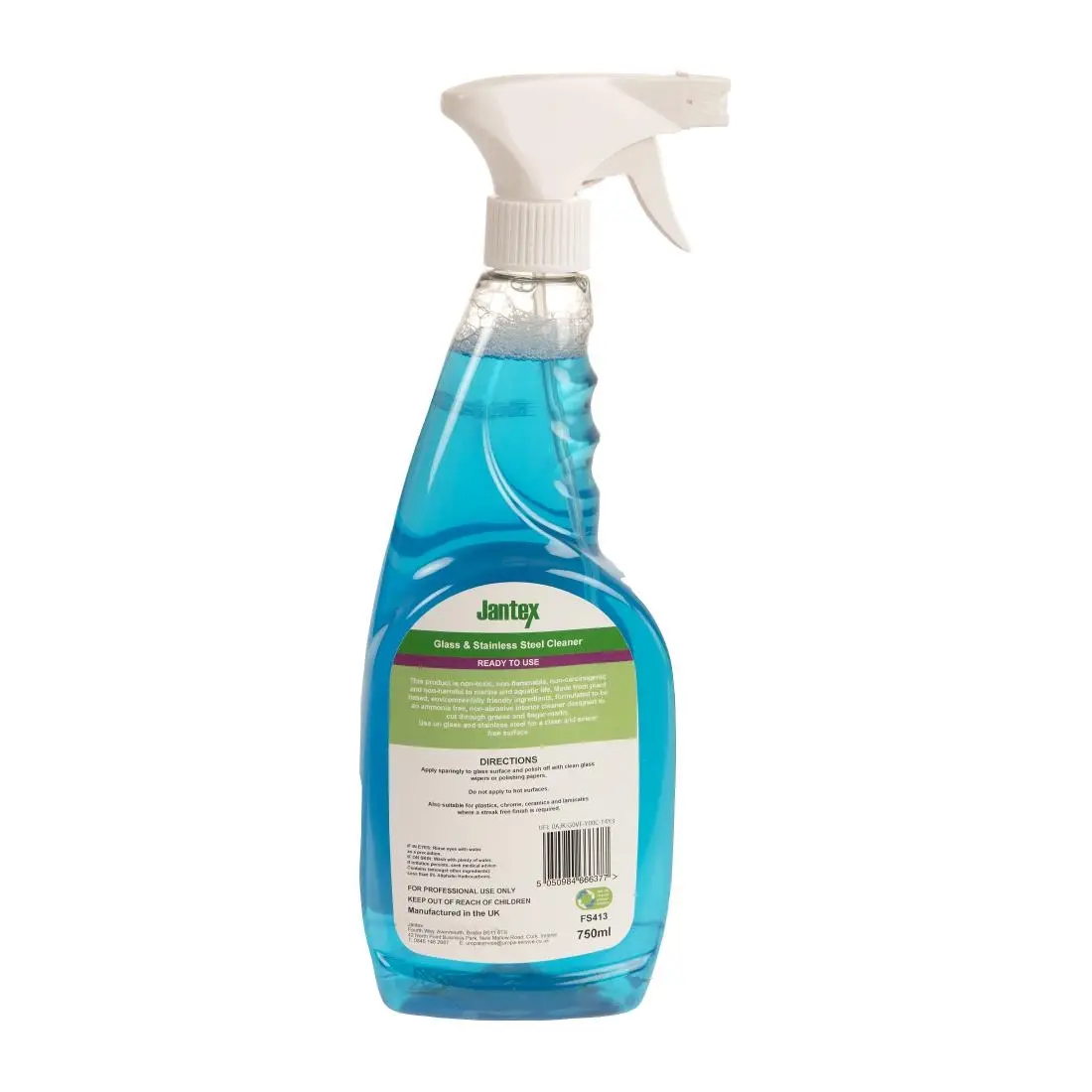
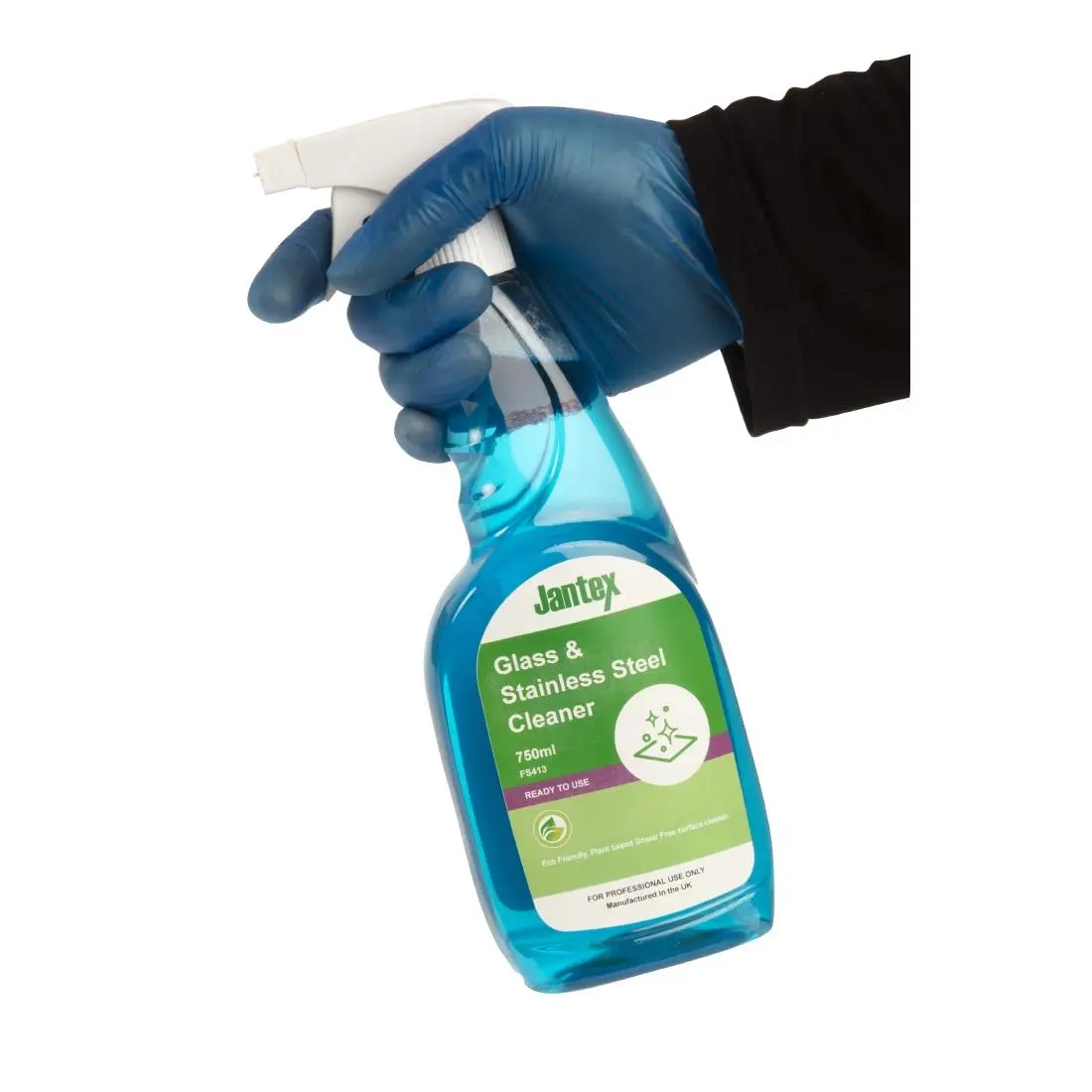
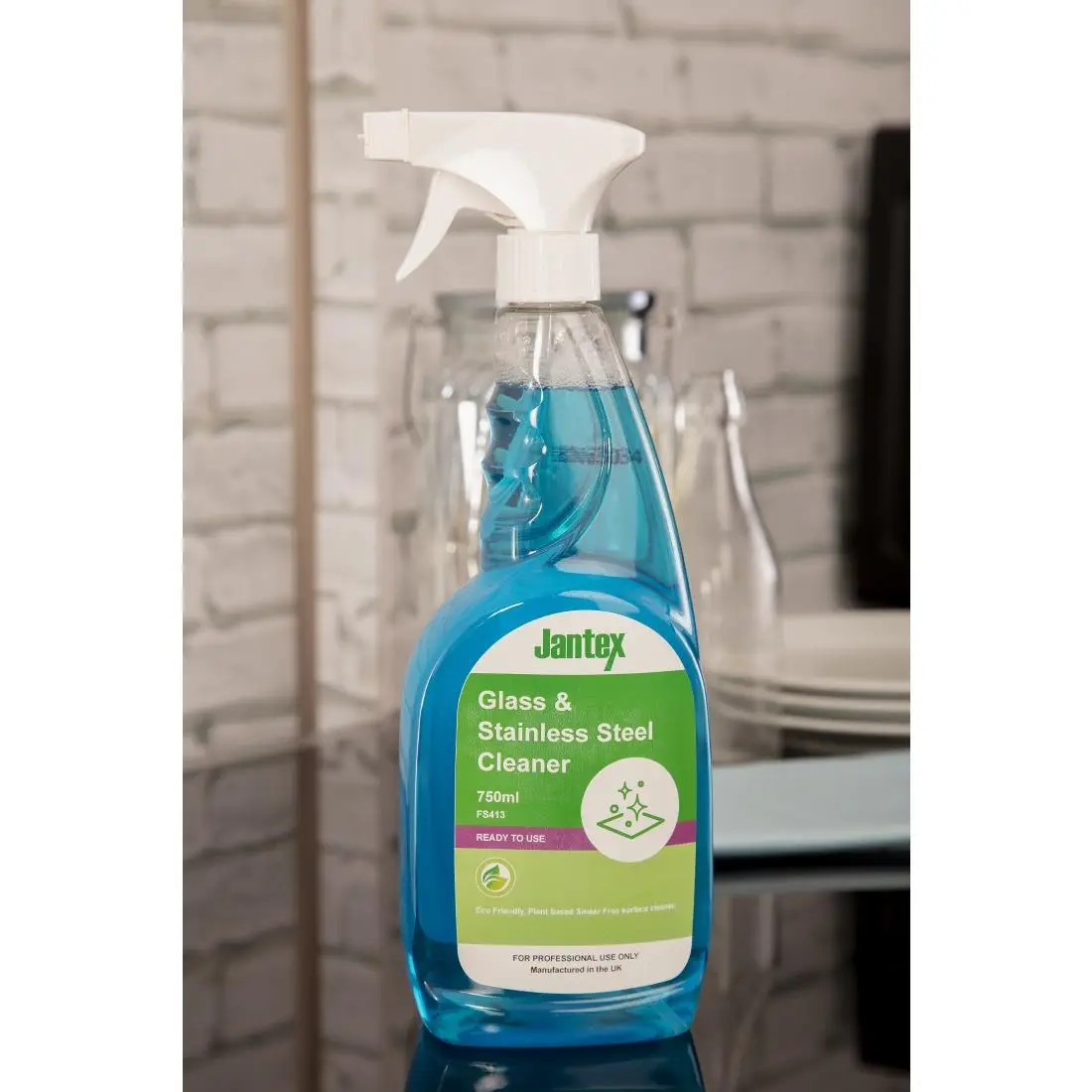
This is the ready-to-use companion to Jantex's Green range glass and stainless steel concentrate, made from the same plant-based, biodegradable ingredients rather than a standard petrochemical formula. It shares the same credentials as the concentrate: non-toxic, non-flammable, non-carcinogenic and non-harmful to marine and aquatic life, and compliant with both the EC Detergent Regulation 648/2004 and REACH 1907/2006, so it meets current and forthcoming legislation rather than just today's standard.On the job itself, it leaves a sparkling, smear-free finish on glass and stainless steel, and it's equally suited to plastics, chrome, ceramics and laminates, so one bottle covers a genuine spread of surfaces around a bar or kitchen.
The ammonia-free, non-abrasive formula cuts through grease and finger marks without risking delicate surfaces the way a harsher all-purpose cleaner might. Being ready to use, there's no mixing or diluting before a cleaning round — just aim, spray and polish, which matters when glass needs turning around fast during service.At 750ml, this is the direct-use size rather than the 5-litre concentrate meant for refilling trigger bottles, so it suits a single station or a smaller site that wants the Green formula without decanting from a bulk container.
The bottle itself is made from 30% recycled plastic, in line with Jantex's move toward reduced virgin plastic use across the range. For sites wanting to standardise on a lower-impact glass and steel cleaner without losing the shine and finish expected from a standard product, this is the ready-made option.
COSHH: six habits of safe chemical use
Control of Substances Hazardous to Health — the routine every commercial kitchen and cleaning cupboard is expected to run.


SDS
Read the label and the manufacturer’s safety data sheet — the pictograms tell you what you are holding.

Who could be harmed, and how badly? Judge likelihood against severity before anyone opens the cap.

Eliminate or substitute first, engineer and organise next — PPE is the last line, never the first.

Keep the controls working: check ventilation, dosing equipment and storage stay as they should be.


Everyone who uses it knows the hazards, the correct dilution and the PPE — before the first shift, not after.

Products and processes change. Reassess when they do, and keep the record that proves it.