Why this chopping board earns its place
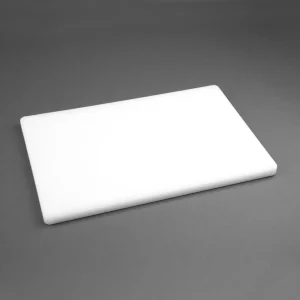
610 × 440 mm is a full working surface rather than a station board. It takes a whole side of product, a full tray of veg or a batch run from start to finish without the board being cleared halfway through, and that is the difference it makes: cut product goes to the back, the knife keeps working at the front, and prep runs to the end of the job in one go. It covers most of a standard bench, which is the trade to weigh — this board owns the surface it sits on, and it needs a sink deep enough to wash it.
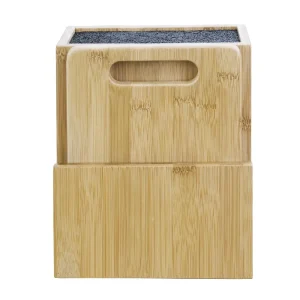
The set puts a complete colour system in place at that size: colour-coded boards to separate raw from ready-to-eat, a rack to store them in, and a wall chart that fixes each colour to its food group where the brigade can read it. At high volume the coding earns its keep hardest, because the risk of the wrong board being grabbed rises with the pace. Colour is read faster than any label or written rule, and a board out of place on a busy line is visible from across the room.
High density polyethylene stands up to the kind of work a board this size attracts. It gives under the edge instead of blunting it, holds no odour or colour from raw fish or meat, and being non-porous it cleans properly rather than just looking clean. The 12 mm section does real work at this footprint — enough body across 610 mm to stay flat and stop the board flexing or lifting at the corner under a heavy chop, and enough depth to take a long life of knife scoring before the cuts go deep enough to end it. Storing boards on edge in the rack lets both faces dry, which matters more the larger the surface.