

Why this chefs plate earns its place
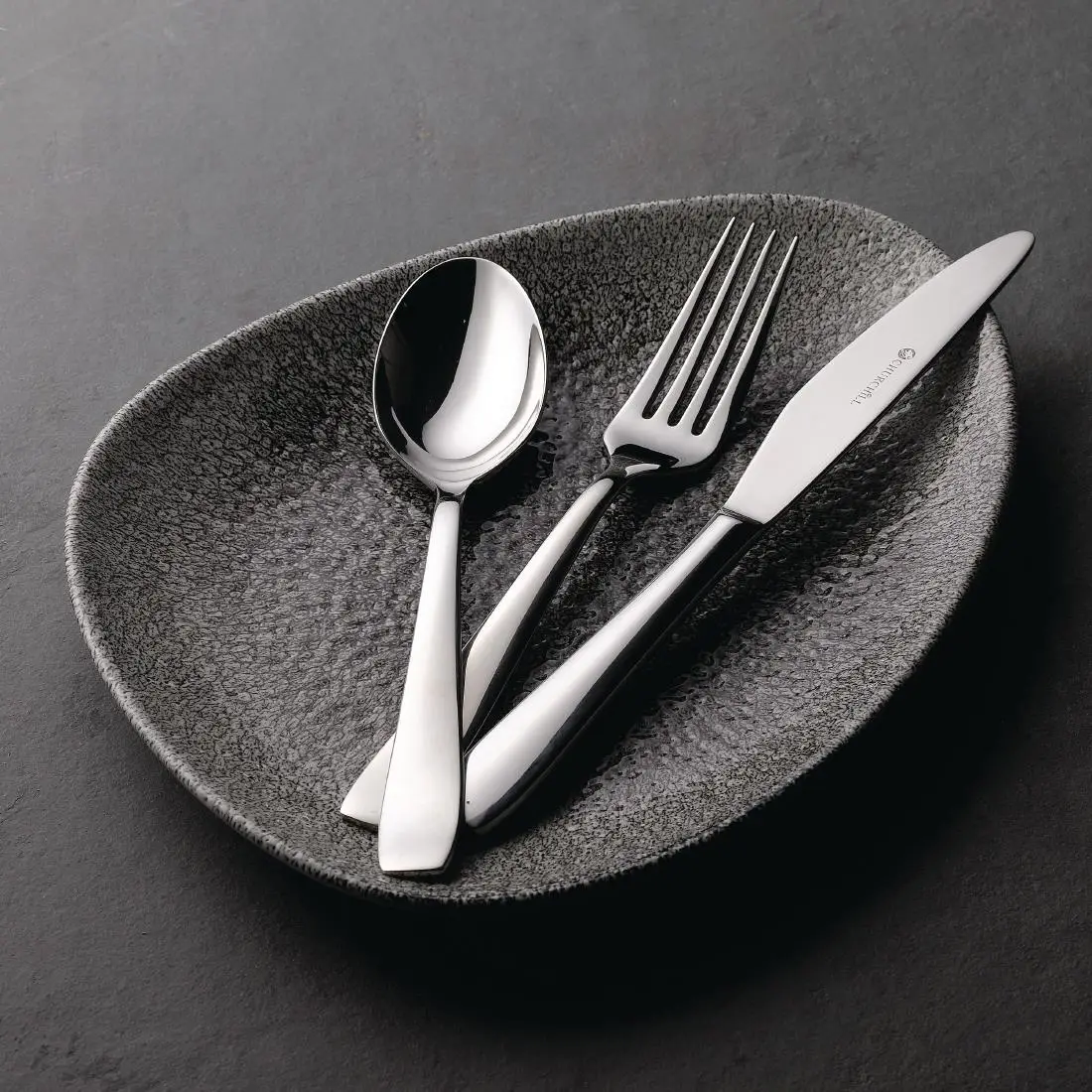
The triangular profile sets these plates apart immediately: a three-point geometry that creates genuine visual interest on a table without requiring pattern or detail. The Raku glaze—inspired by traditional Japanese ceramics—gives each piece a subtle textured depth that reads as deliberate craft rather than mass-produced uniformity. In a competitive hospitality market, that distinction lands.
Porcelain is the obvious choice for commercial service: it holds heat, stands up to metal cutlery without marking, and maintains its colour through hundreds of wash cycles. These plates are stackable for storage and dishwasher-safe without degradation. At 300 mm, they work as dinner plates in smaller service runs or as presentation bases for modern plating techniques that favour defined negative space.
The Topaz Black glaze creates strong contrast with most foods—bright vegetables read crisply, proteins sit boldly—so the plate works as a deliberate frame, not an afterthought. For restaurants building a cohesive visual identity across their tableware, triangular Churchill pieces become a signable detail.