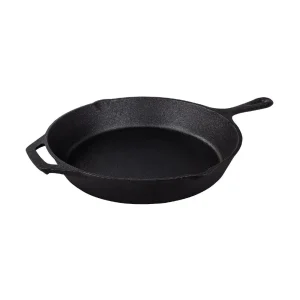
Frying pans are among the most-used pans in any commercial kitchen, used for searing, sautéing and general high-heat cooking across pubs, restaurants, hotels and cafés, typically ranging 20-32cm in diameter in aluminium, stainless steel or non-stick construction. The key buying consideration is base thickness and induction compatibility, since a thin-gauge frying pan warps quickly under the high, repeated heat of commercial service. “Frying pans” is the plain buyer term.
Frying pans are specified by diameter, material and base construction. Common sizes run 20-32cm: 24-28cm covers most daily sautéing and searing, with 30-32cm for higher-volume dishes. Aluminium heats fast and stays light for à la carte service, non-stick (PTFE or ceramic) suits eggs and delicate items but has a shorter life under intense heat, while stainless and carbon steel take very high searing heat and last longer. A thick, heavy-gauge base is the key durability factor — thin pans warp under repeated commercial heat — and an encapsulated or magnetic base is needed for induction hobs. Look for riveted or welded stay-cool handles, with a helper handle on larger pans. Used across pubs, restaurants, hotels and cafés.
What size frying pan does a commercial kitchen need most?
Most commercial kitchens rely heavily on a 24-28cm frying pan for daily sautéing and searing, with larger 30-32cm pans kept for higher-volume dishes.
Non-stick or stainless steel frying pans for high-heat searing?
Stainless steel and carbon steel pans handle very high heat and searing better over time, while non-stick pans are easier to maintain for eggs and delicate items but generally have a shorter working life under intense commercial heat.
If you have any questions about our products, then please get in touch.