Why this chefs knive earns its place
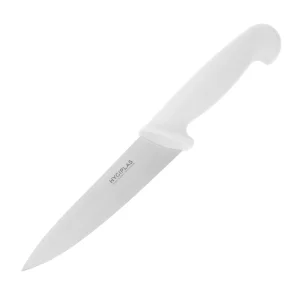
This is a professional chef's knife from F.Dick, marking their 225th anniversary with the 1778 Jubilee series. The blade is forged carbon steel—not stamped, forged—which means the steel has been heated and shaped under pressure, building structure and resilience into every millimetre. The edge is honed thin and sharp, ground to a blade geometry that cuts vegetables, meat, and herbs cleanly without crushing or tearing. A 241mm blade is the workhorse size for most kitchens: large enough to handle a chicken breast or a pile of onions, short enough to control with precision on a small cutting board.
The handle is brown, shaped to sit securely and comfortably in your hand even during the repetitive motion of service. It's weighted—the balance point sits just in front of the guard—so the blade's momentum does the work; you're not muscling it. This is a knife built for eight-hour shifts, for the cooks who arrive at 6 a.m. and spend the morning brunoise and chiffonade. It's not a knife for occasional use, and it's not a show piece. It's a tool that respects your time and your joints.
Carbon steel knives require hand washing and occasional sharpening. They'll develop a patina over time—a faint dark oxidation that protects the steel underneath—which some cooks see as character and others prefer to buff away. This is not a flaw; it's the nature of carbon steel in a working kitchen. A honing steel (ceramic or leather) keeps the edge aligned between sharpenings. Proper care—a wipe and a light oil after each shift, a hone every few weeks—keeps a Dick knife working for decades.