Why this cocktail shaker earns its place
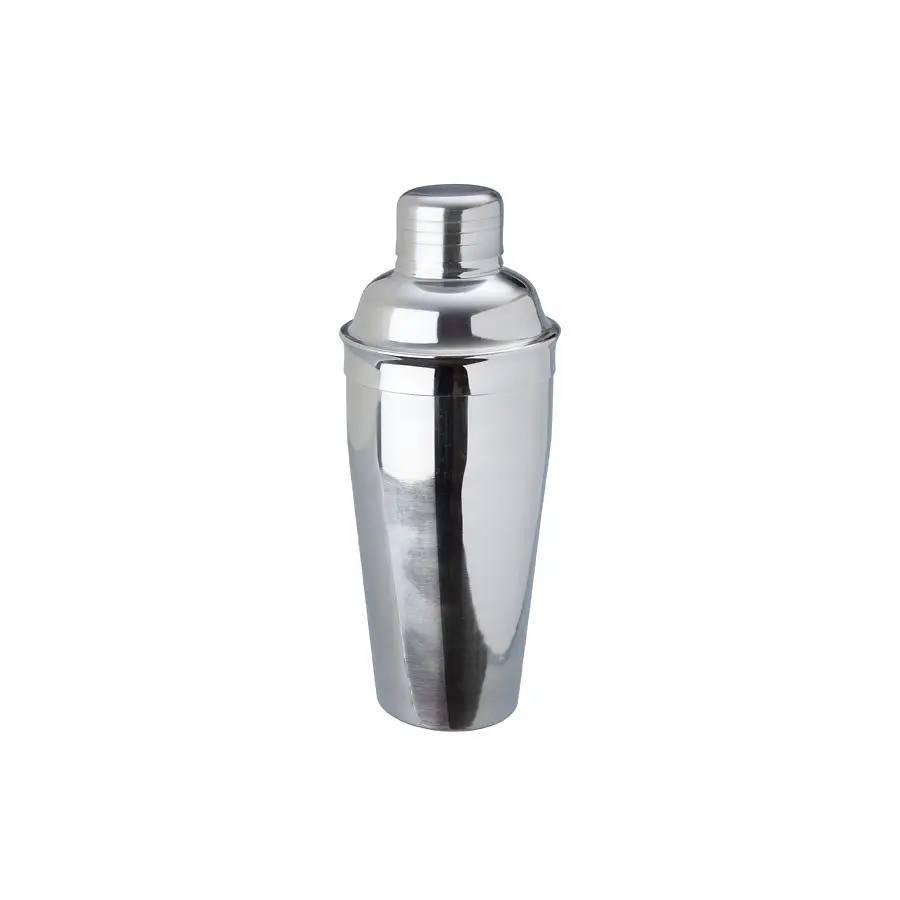
Capacity is the spec that decides how fast a bar moves, and 750 ml is a large one for a shaker. A single shaken drink is a modest share of that once the ice is in, which means two of the same spec go in together: one set of measures, one shake, one strain, two glasses on the pass. Orders arrive in pairs and fours far more often than in ones, so the saving is not theoretical — across a Friday service it is the difference between shaking every drink and shaking half of them. It also covers the drinks that need the room in the first place, the ones built with juice, syrup, egg white or cream where a small tin is full before the ice goes anywhere.
Stainless steel is the whole trade's default for a reason beyond durability. It takes cold fast, so the outside frosts as the drink chills and dilutes, and that frost line does the counting for the bartender — you stop when the tin tells you to, not when you think enough time has passed. Steel holds nothing between drinks either, so citrus, bitters and dairy rinse straight off and the next round tastes of what is in it. The silver finish is on show over the bar, so it wants rinsing and drying rather than being left to stand wet, which is what puts water marks on a shaker that gets handled in front of guests all night.